How to Read Your Vehicle’s Dashboard Lights (+ What Each Means)
Few things grab a driver’s attention faster than dashboard lights suddenly glowing while you’re on the road. Whether it’s a small symbol or a bright warning, dashboard lights are your vehicle’s way of communicating important information about its health, safety, and performance. Understanding what these lights mean can help you avoid breakdowns, prevent expensive repairs, and keep you safe behind the wheel.
This guide breaks down the most common dashboard lights, explains what they mean, and tells you when it’s safe to keep driving—or when it’s time to stop and seek professional help.
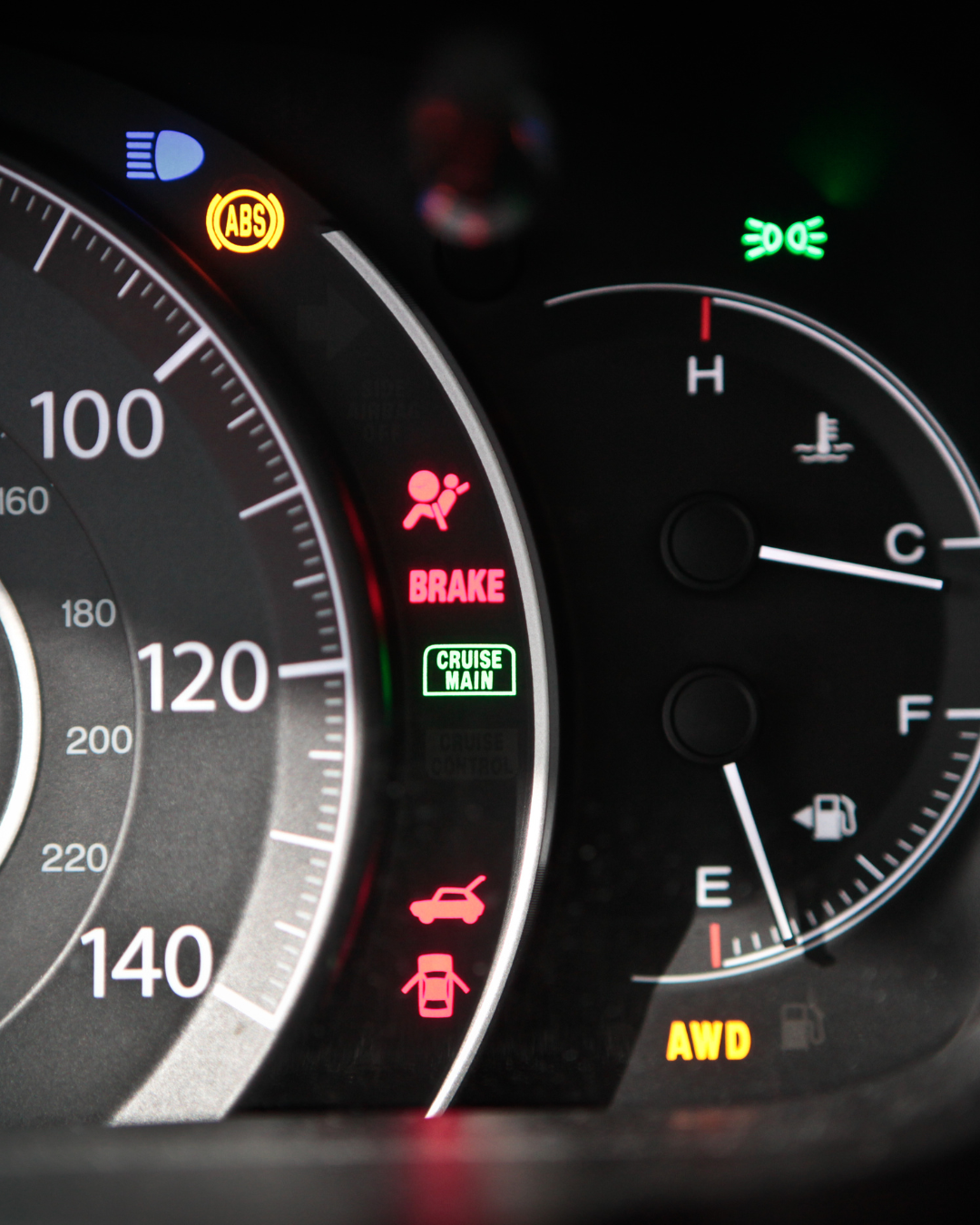
Why Dashboard Lights Matter
Modern vehicles rely on dozens of sensors and computers to monitor everything from engine performance to braking systems. Dashboard lights alert you when something needs attention, even if the car still seems to be driving normally.
Ignoring dashboard lights can lead to:
- Reduced fuel efficiency
- Long-term engine damage
- Safety system failures
- Higher repair costs
Knowing how to read dashboard lights gives you control and confidence as a driver.
Understanding Dashboard Light Colors
Before diving into specific icons, it’s important to understand what the colors generally mean.
Green or Blue Lights
These dashboard lights are informational. They usually indicate that a system is active and working as intended.
Examples:
- Headlights on
- Cruise control engaged
- High beams activated
These lights typically require no action.
Yellow or Orange Lights
Yellow dashboard lights are warnings. They mean something needs attention soon, but it’s usually safe to continue driving for a short time.
Examples:
- Check engine light
- Tire pressure warning
- ABS warning
These lights should never be ignored, but they’re not always emergencies.
Red Lights
Red dashboard lights indicate a serious problem that may affect your safety or cause immediate damage to your vehicle.
Examples:
- Oil pressure warning
- Brake system warning
- Engine temperature warning
If a red light appears, it’s best to stop driving as soon as it’s safe and have the vehicle inspected.
Common Dashboard Lights and What They Mean
Check Engine Light
The check engine light is one of the most misunderstood dashboard lights. It can signal anything from a loose gas cap to a serious engine issue.
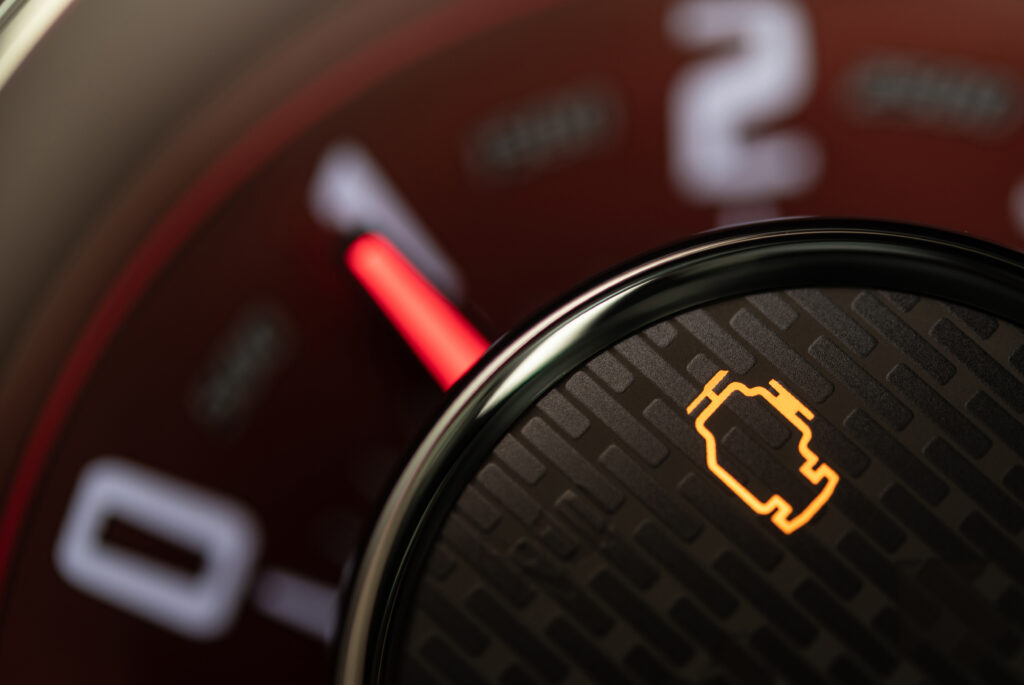
Possible causes include:
- Faulty oxygen sensor
- Emissions system problems
- Misfiring engine
- Sensor malfunctions
If the light is steady, the issue may not be urgent, but it should be checked soon. If it’s flashing, reduce speed and seek immediate service.
Oil Pressure Warning Light
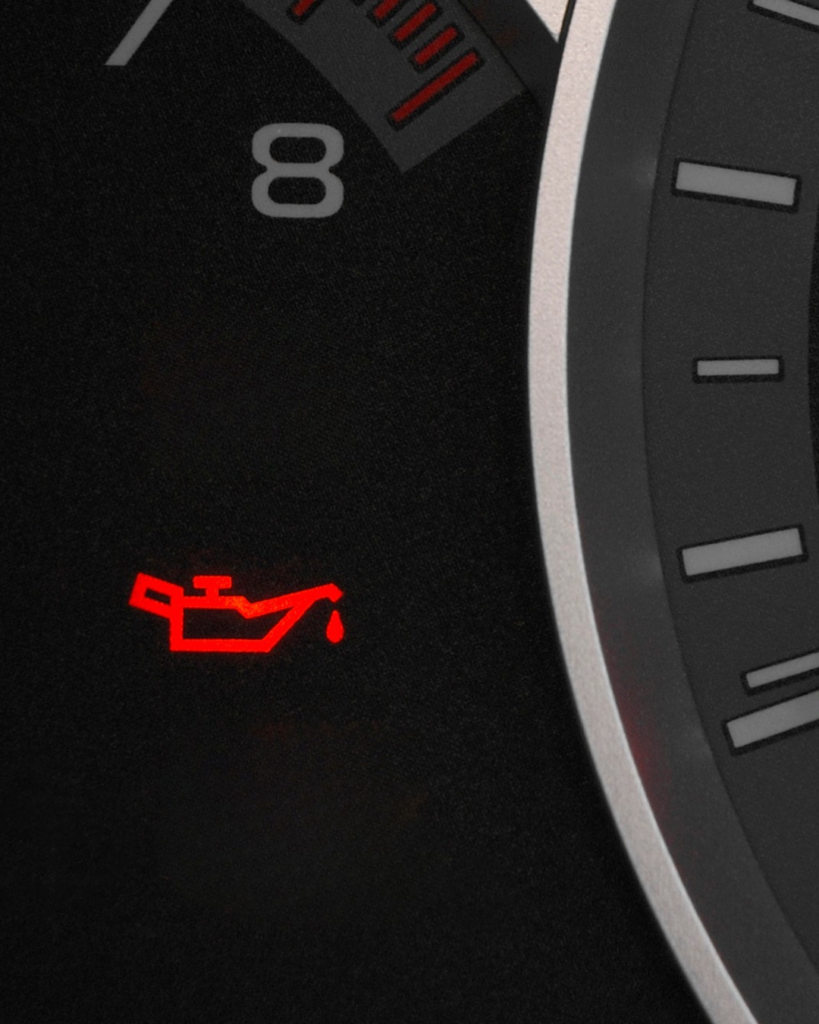
This red dashboard light indicates low oil pressure, not just low oil level. Low oil pressure can cause severe engine damage.
Common causes:
- Low oil level
- Worn oil pump
- Oil leaks
If this light turns on, turn off the engine as soon as possible.
Battery or Charging System Light
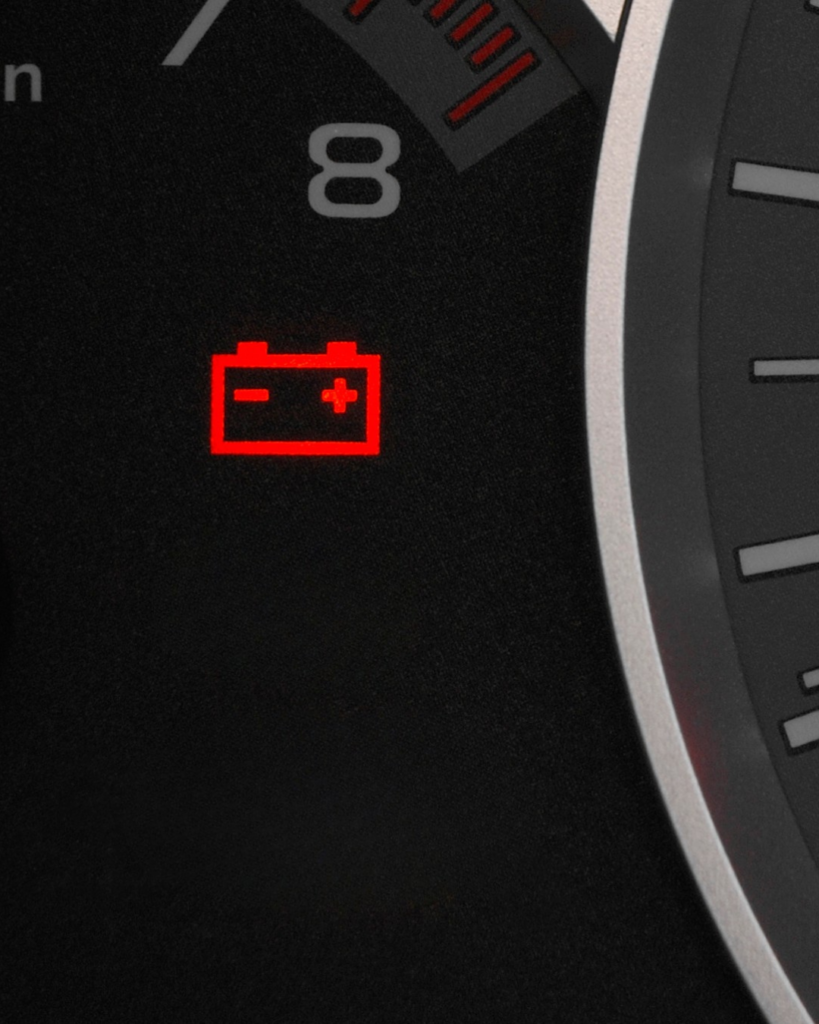
This dashboard light signals a problem with the charging system.
Possible issues include:
- Failing alternator
- Loose or damaged belt
- Weak battery
If ignored, your vehicle may lose power entirely.
Engine Temperature Warning Light
This light means your engine is overheating.
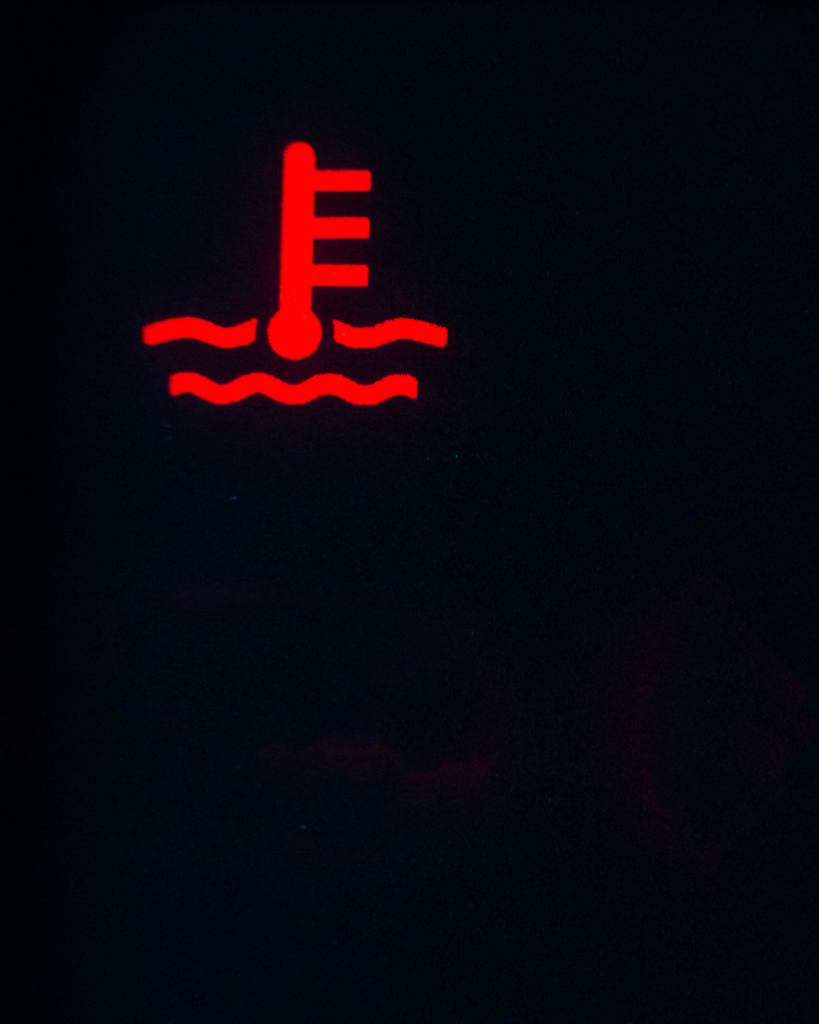
Potential causes:
- Coolant leak
- Failed thermostat
- Radiator issues
Overheating can quickly lead to engine failure, so pull over and shut off the engine if this light appears.
Brake Warning Light
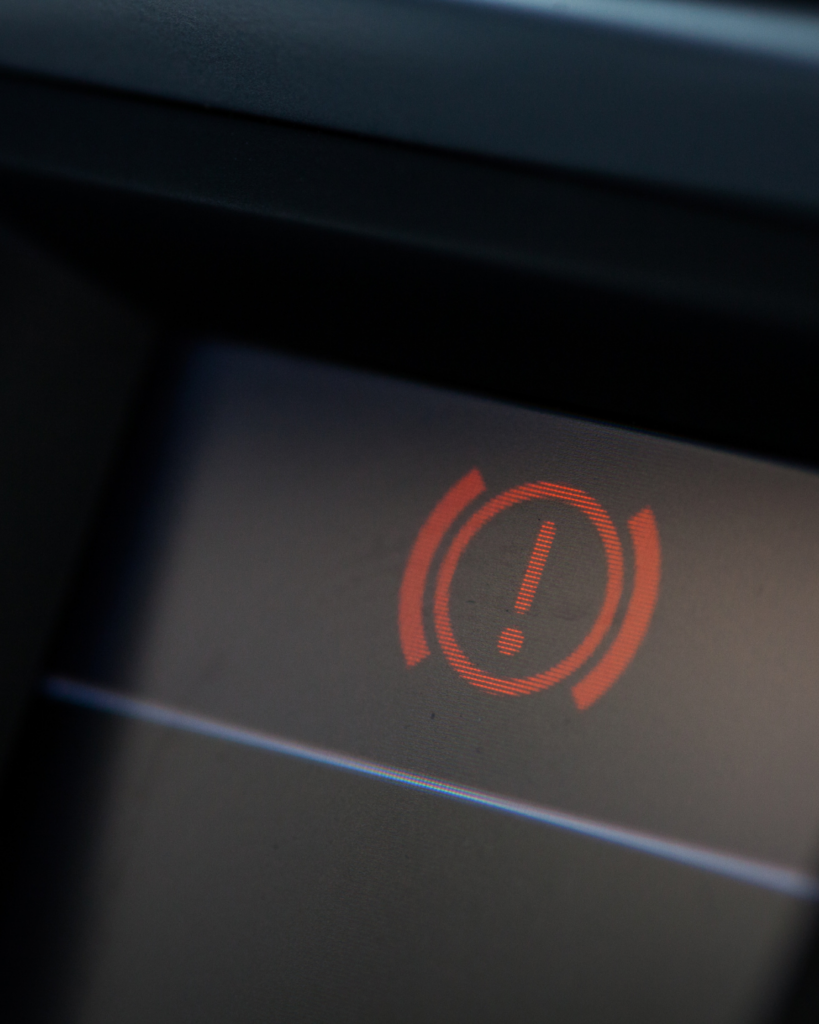
This dashboard light can indicate:
- Low brake fluid
- Worn brake pads
- Parking brake engaged
Because brakes are critical to safety, this light should be addressed immediately.
ABS Warning Light
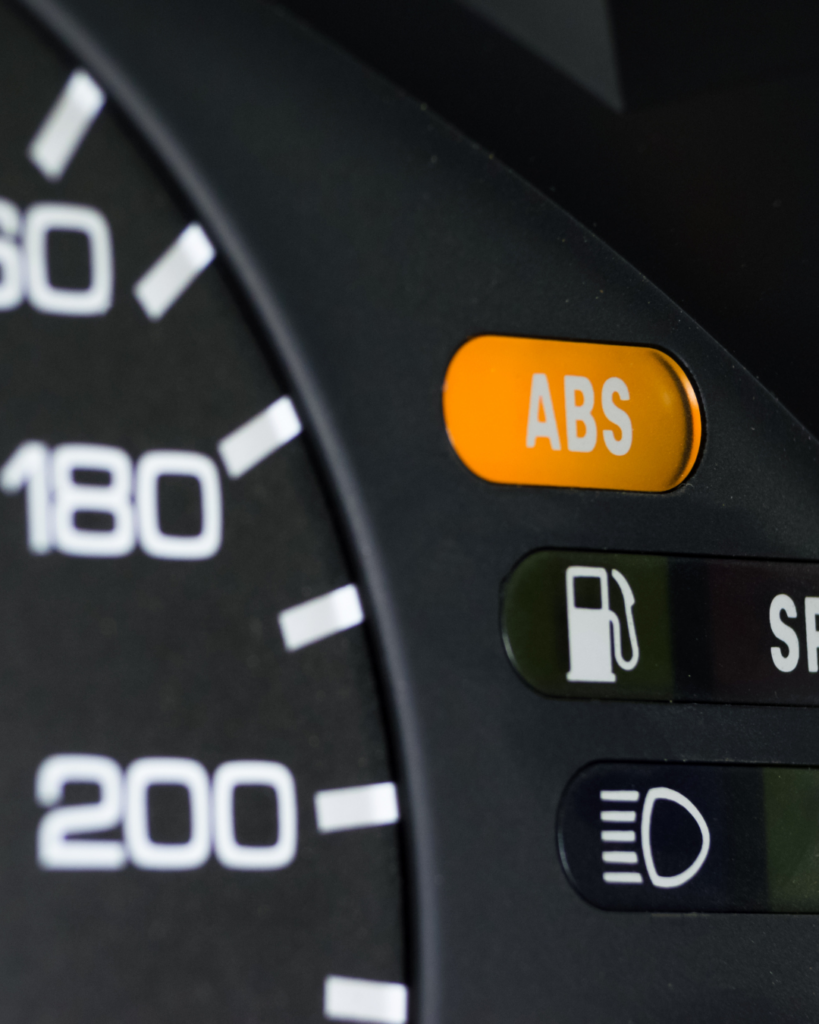
The ABS warning light indicates an issue with the anti-lock braking system. While your brakes will still work, the ABS feature may not engage during hard braking.
This increases stopping distance in emergency situations and should be checked soon.
Tire Pressure Monitoring System (TPMS) Light
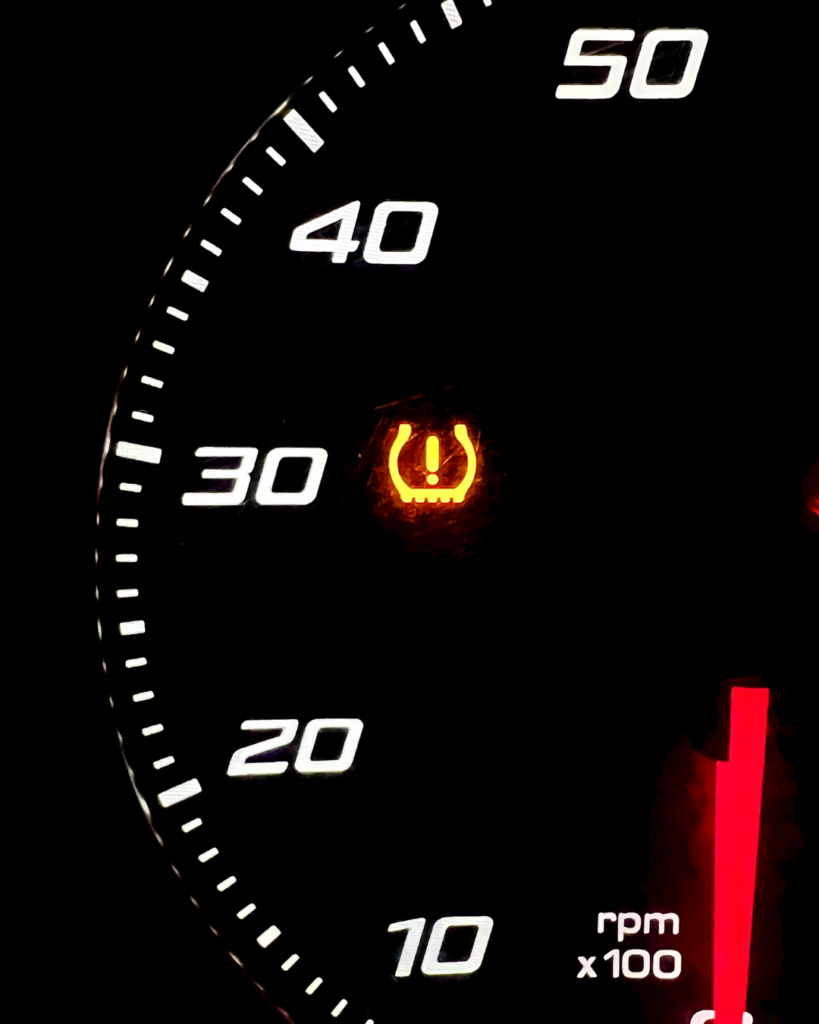
This dashboard light signals low tire pressure in one or more tires.
Driving on underinflated tires can lead to:
- Poor handling
- Reduced fuel efficiency
- Increased tire wear
Check tire pressures promptly, especially during cold weather when pressure drops are common.
Traction Control or Stability Control Light
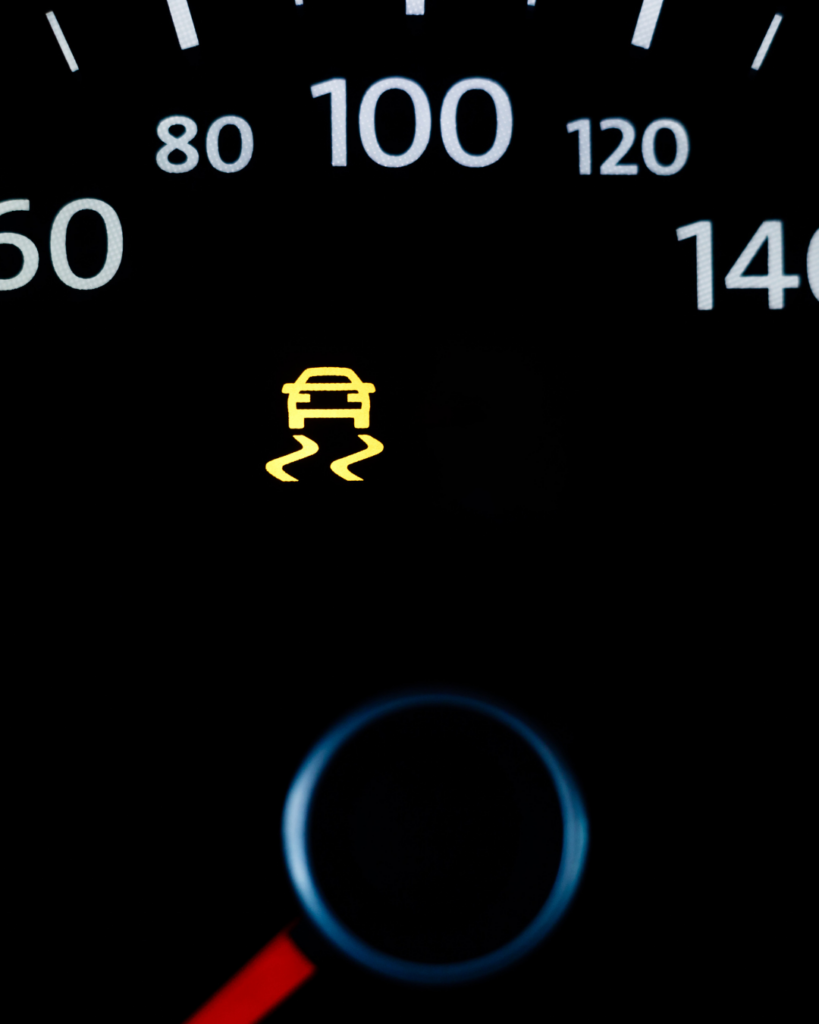
This light may flash briefly when traction control is actively working. If it stays on, it could indicate a malfunction.
Possible reasons:
- Wheel speed sensor issues
- Faulty control module
Reduced traction control can affect handling, especially on wet or icy roads.
Airbag Warning Light
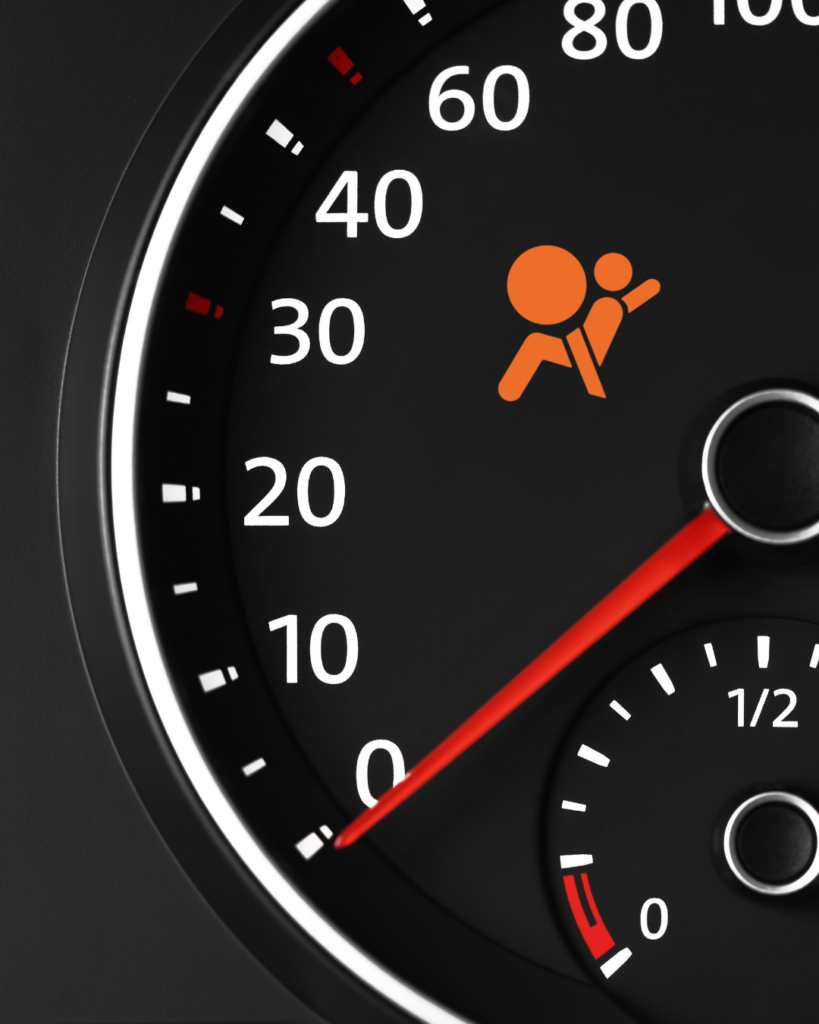
An illuminated airbag light means the system may not deploy properly in a crash.
This dashboard light should never be ignored, as it directly affects occupant safety.
Fuel Warning Light
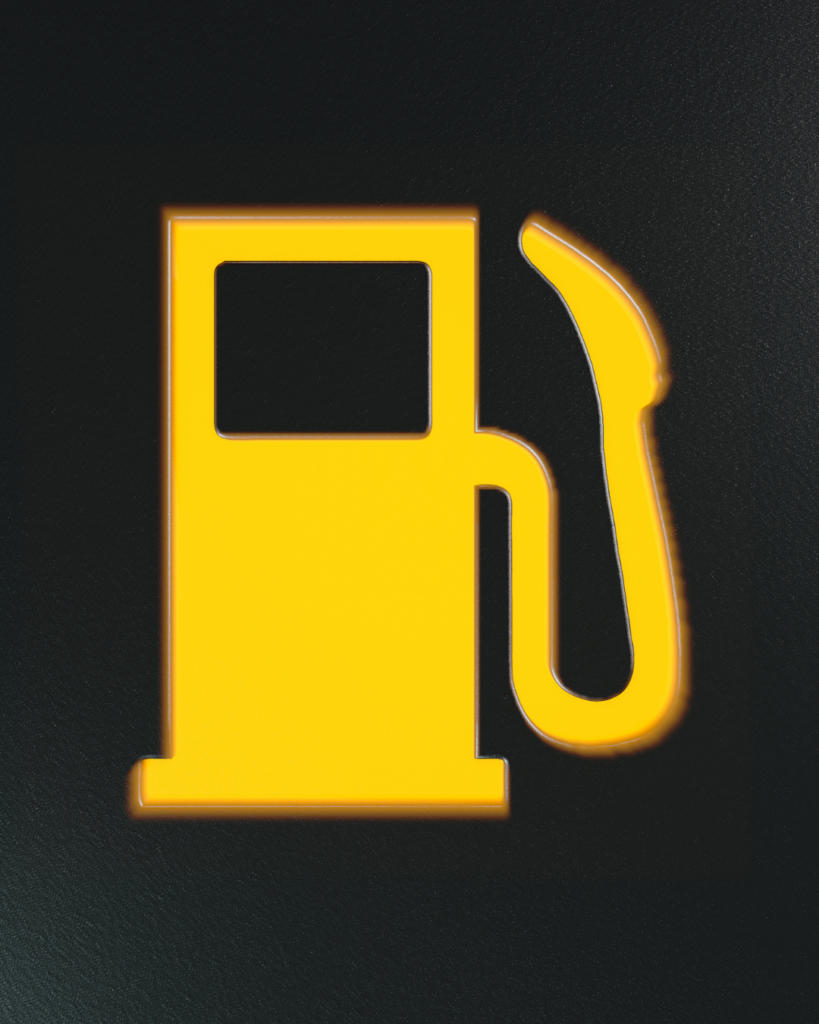
This light indicates low fuel level. While it’s not a mechanical issue, consistently running low on fuel can strain the fuel pump over time.
Dashboard Lights That May Vary by Vehicle
Some dashboard lights are manufacturer-specific and may include:
- Adaptive cruise control warnings
- Lane departure alerts
- Blind-spot monitoring warnings
Always consult your owner’s manual for exact definitions of unfamiliar symbols.
What to Do When a Dashboard Light Comes On
- Check the color of the light
- Note whether the vehicle feels or sounds different
- Refer to your owner’s manual
- Decide whether it’s safe to continue driving
- Schedule service if needed
When in doubt, it’s always better to have dashboard lights checked sooner rather than later.
Why Dashboard Lights Shouldn’t Be Ignored
Many drivers postpone addressing dashboard lights because the vehicle still “seems fine.” Unfortunately, minor issues often become major repairs when ignored.
Early diagnostics can:
- Reduce repair costs
- Improve safety
- Extend vehicle lifespan
Dashboard lights are designed to protect your vehicle and your wallet.
When to Seek Professional Help
You should seek professional service if:
- A red dashboard light appears
- A yellow light stays on for more than a day
- Multiple dashboard lights turn on at once
- The vehicle runs rough or stalls
A professional diagnostic scan can quickly identify the root cause.
Final Thoughts
Dashboard lights are one of the most important communication tools built into your vehicle, and understanding what they mean can help you avoid unexpected breakdowns and costly repairs. Whether a warning light appears briefly or stays illuminated, addressing the issue early is always the smartest move. If you notice dashboard lights you don’t recognize or a warning that won’t go away, the safest next step is to have your vehicle inspected by a professional. You can easily take action and protect your vehicle by scheduling an appointment with our experienced technicians at Wayzata BP here. Prompt attention helps ensure your vehicle stays reliable, efficient, and safe on the road.
Further Reading
- https://www.nhtsa.gov/road-safety/dashboard-warning-lights
- https://www.consumerreports.org/cars/car-safety/dashboard-warning-lights-explained-a1124535543/
- https://www.edmunds.com/car-maintenance/dashboard-warning-lights-explained.html
- https://www.autotrader.com/car-tips/dashboard-warning-lights-meanings