How to Save at the Pump: Fuel Efficiency Tips for Every Driver
Gas prices fluctuate, and many drivers are searching for ways to save at the pump without sacrificing performance or comfort. Whether you commute daily, enjoy weekend road trips, or simply want to make your dollar go further at the gas station, implementing smart strategies can improve your fuel economy. In this comprehensive guide, we explore essential fuel efficiency tips that every driver can use to reduce fuel consumption, cut costs, and get more miles per gallon out of every tank.
Improving your vehicle’s fuel efficiency isn’t just about one change—it’s about a combination of habits and maintenance routines that work together to lower fuel use. From driving behaviors to proper car care, these tips can help you stretch each gallon further and spend less on fuel over time.
1. Understand What Affects Your Fuel Economy
Before diving into specific fuel efficiency tips, it helps to understand the factors that influence how much fuel your vehicle uses. Fuel economy is affected by:
- Driving habits, including speed and acceleration
- Vehicle maintenance and tire condition
- Aerodynamics and extra weight
- Engine performance and tune‑ups
By addressing each of these areas, you can make meaningful changes that improve your fuel economy and reduce the frequency of visits to the gas pump.
2. Maintain a Smooth Driving Style
One of the most impactful fuel efficiency tips is to adopt a smooth and steady driving style. Rapid acceleration and hard braking cause your engine to work harder, increasing fuel consumption. Try these adjustments:
- Accelerate gently and gradually
- Coast to decelerate instead of braking late
- Anticipate traffic flow to minimize stop‑and‑go driving
By reducing aggressive driving behaviors, you’ll not only improve mileage but also reduce wear on brakes and tires.
3. Keep Your Speed in Check
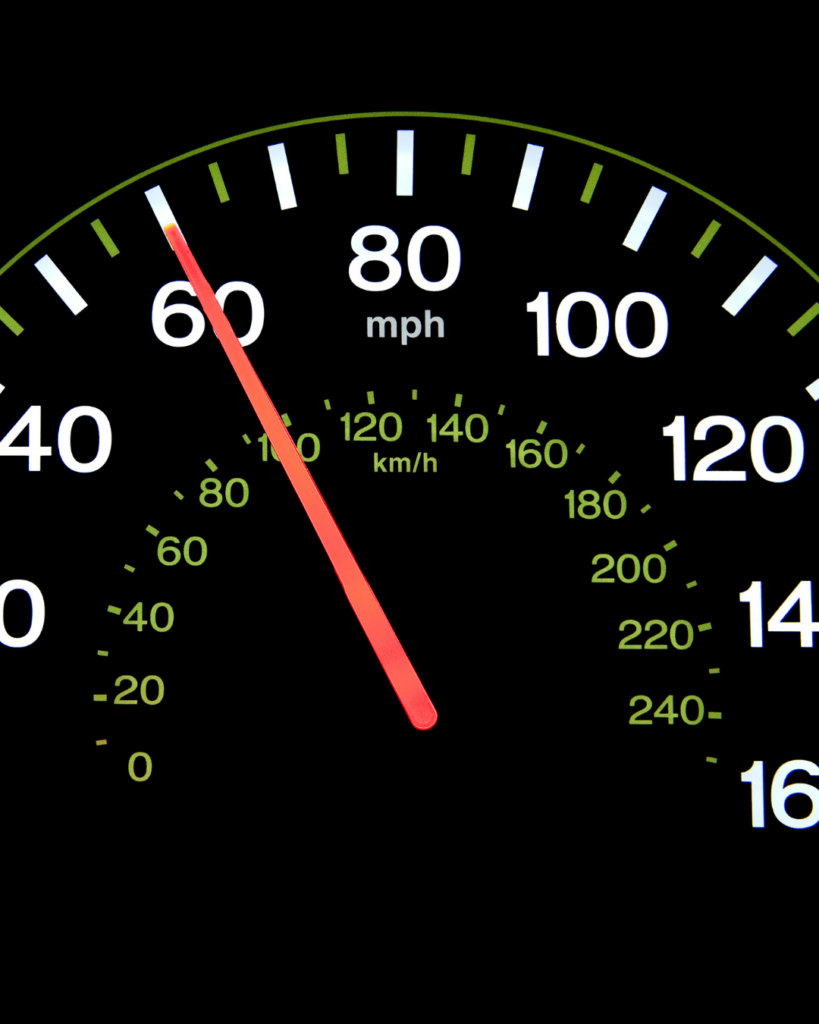
Driving at high speeds increases aerodynamic drag, which forces your engine to use more fuel to maintain speed. Most vehicles achieve optimal fuel efficiency when driven between 50 and 65 miles per hour. If you frequently travel on highways or freeways, consider using cruise control when safe to do so—this helps maintain a constant speed and improves overall fuel economy.
4. Reduce Unnecessary Weight
Extra weight in your vehicle means the engine must expend more energy to move the car. Evaluate what you carry daily—unnecessary items in the trunk or backseat can add significant pounds. Removing excess weight is a simple way to improve your vehicle’s performance and follows one of the easiest fuel efficiency tips for everyday drivers.
5. Avoid Idling for Extended Periods
Idling wastes fuel with zero miles driven. If you expect to be stopped for more than a minute, consider turning off your engine to save gas. This is especially important in cold weather, where long warm‑ups at idle can burn several gallons over time. Modern engines are designed to warm up quicker while driving gently rather than idling.
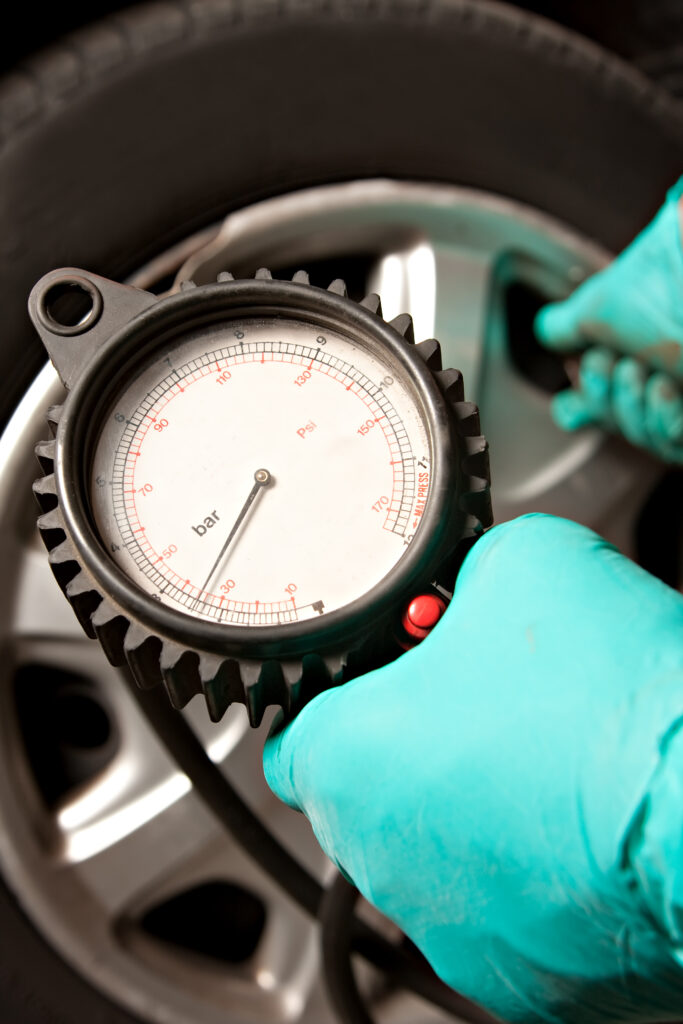
6. Keep Tires Properly Inflated
Underinflated tires create more rolling resistance, forcing your engine to work harder and consume more fuel. This is a critical and often overlooked fuel efficiency tip:
- Check tire pressure monthly
- Inflate tires to the manufacturer’s recommended level
- Inspect tires for wear and tear
Properly inflated tires can improve mileage, enhance safety, and extend tire life.
7. Use the Recommended Engine Oil
Using the correct grade of engine oil can improve fuel economy. Consult your vehicle’s owner manual to determine the manufacturer’s recommended oil viscosity. Some modern synthetic oils are formulated to reduce friction and improve engine efficiency, which can contribute to better fuel economy.
8. Limit Use of Air Conditioning and Accessories
While comfort is important, using air conditioning and other electrical accessories can increase fuel consumption. In some situations, opening windows at lower speeds reduces drag compared to running the air conditioner. However, at highway speeds, air conditioning is often more efficient than open windows due to aerodynamic effects. Understanding when to use climate control efficiently is another smart fuel efficiency tip.
9. Plan and Combine Trips
Short, frequent trips with a cold engine use more fuel than a single longer trip where the engine reaches optimal operating temperature. Try consolidating errands into one outing to maximize efficiency. Planning your route ahead of time can also reduce mileage and time spent idling in traffic or looking for destinations.
10. Use Cruise Control on Long Drives
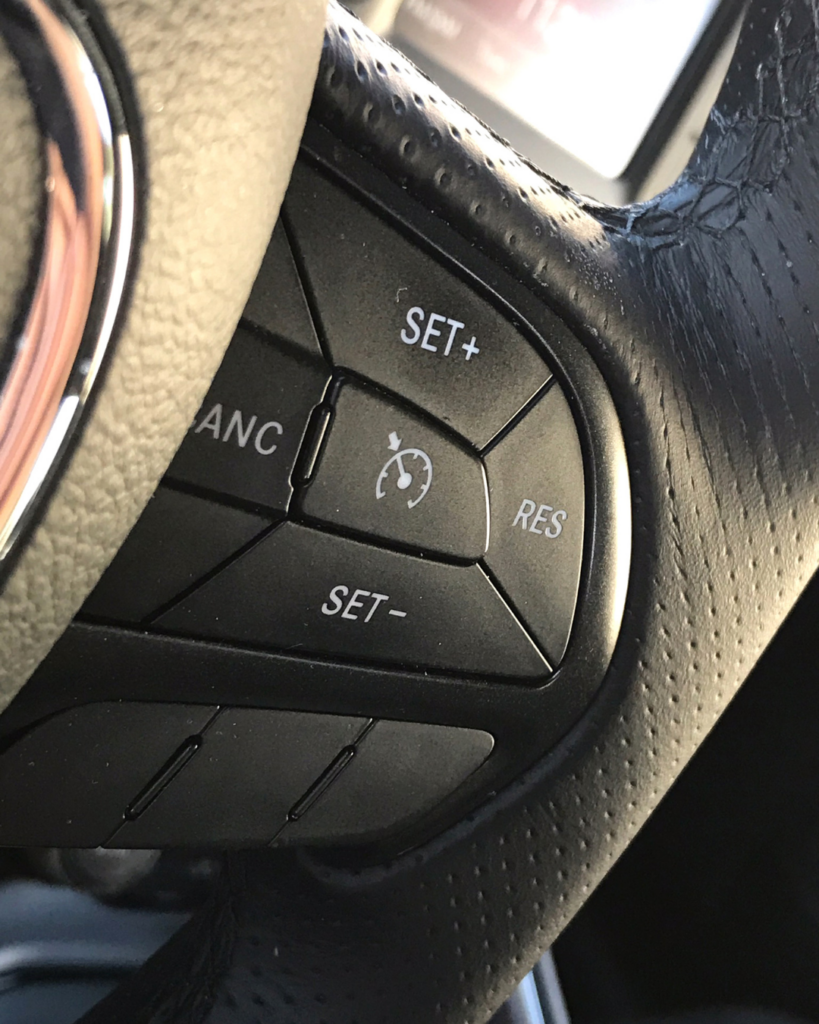
Cruise control helps maintain a consistent speed, minimizing unnecessary acceleration and deceleration. On flat terrain and long highway stretches, this tool can improve fuel economy by preventing speed fluctuations. However, avoid using cruise control in heavy traffic and hilly areas where speed changes frequently.
11. Keep Up With Regular Maintenance
Routine maintenance ensures your vehicle runs efficiently. A well‑tuned engine operates more smoothly and uses fuel more effectively. To follow this fuel efficiency tip, make sure to:
- Replace spark plugs as needed
- Change air filters regularly
- Keep fuel injectors clean
- Follow your manufacturer’s service schedule
Neglecting routine maintenance can reduce fuel efficiency and lead to costly repairs later.
12. Choose the Right Fuel Grade
Your owner’s manual will specify the best fuel grade for your vehicle. Using a higher grade than recommended typically provides no fuel economy benefit and adds unnecessary cost. Stick to the grade your manufacturer suggests to balance performance and cost effectively.
13. Consider Aerodynamics and Roof Loads
Roof racks, cargo carriers, and open windows increase wind resistance and reduce fuel economy. If you don’t need a roof rack on a daily basis, consider removing it when not in use. Reducing wind drag is a lesser‑known but effective fuel efficiency tip that particularly benefits highway drivers.
14. Monitor Your Miles Per Gallon (MPG)
Many modern vehicles provide real‑time fuel economy data. Use this feature to monitor how driving habits affect fuel consumption. Tracking your MPG over time helps you measure the impact of changes you make and reinforces good driving behavior.
15. Choose Efficient Routes
When possible, select routes with steady traffic flow and fewer stops. GPS apps often offer multiple routing options and real‑time traffic updates. Choosing a route with fewer red lights and less congestion can save both time and fuel.
16. Consider Fuel Rewards Programs
Many gas stations offer loyalty or fuel rewards programs that provide discounts per gallon. Participating in these programs can save you money even if fuel efficiency remains constant. Combine fuel savings strategies with rewards programs for maximum financial benefit.
17. Understand Seasonal Effects on Fuel Economy
Cold weather can reduce fuel efficiency as engines take longer to warm up and operate less efficiently when cold. To follow this fuel efficiency tip, reduce excessive idling in winter and ensure your engine warms up only as long as needed before driving. Regular winter maintenance, such as battery checks and correct tire pressure, also contributes to overall fuel savings.
In Summary
Reducing fuel consumption and saving at the pump doesn’t happen with one quick fix. It comes from a combination of mindful driving habits, routine maintenance, and practical choices about how you use and operate your vehicle. These fuel efficiency tips are designed to help you maximize every gallon, save money, and enjoy smoother, more efficient driving overall.
Start with easy changes like checking tire pressure and moderating speed. As you adopt more fuel‑saving habits, you’ll notice measurable improvements in mileage and cost savings over time. To keep your vehicle in top condition and ensure optimal fuel efficiency, schedule a service appointment with us for oil changes, brake checks, and routine maintenance.
Further Reading
- “Tips for Improving Fuel Economy,” U.S. Department of Energy — https://www.fueleconomy.gov/feg/drive.shtml
- “Fuel Efficiency Tips,” AAA — https://exchange.aaa.com/automotive/driving‑smart/fuel‑efficiency‑tips/
- “How Driving Habits Affect Fuel Economy,” EPA — https://www.epa.gov/greenvehicles/how‑driving‑habits‑affect‑fuel‑economy