Why Does My Car Smell Like Gas?
If you’ve ever asked yourself, “why does my car smell like gas?”, it’s not something to ignore. A gasoline smell in or around your vehicle is often a sign that something isn’t working properly—and in some cases, it can even become dangerous if left unchecked.
Gasoline is highly flammable, and while modern vehicles are designed to contain fuel vapors safely, any noticeable odor usually means there’s a leak, system issue, or malfunction somewhere. Understanding why your car smells like gas can help you act quickly and avoid costly repairs or safety risks.
Is It Normal for Your Car to Smell Like Gas?
In short—no. Under normal conditions, your car should never smell strongly like gasoline.
There are a few minor exceptions:
- Right after refueling (brief smell near the fuel door)
- Older vehicles without advanced vapor systems
- Extremely cold weather conditions
However, if the smell lingers, happens while driving, or appears inside the cabin, it’s time to investigate why your car smells like gas.
Common Reasons Why Your Car Smells Like Gas
1. Fuel Leak
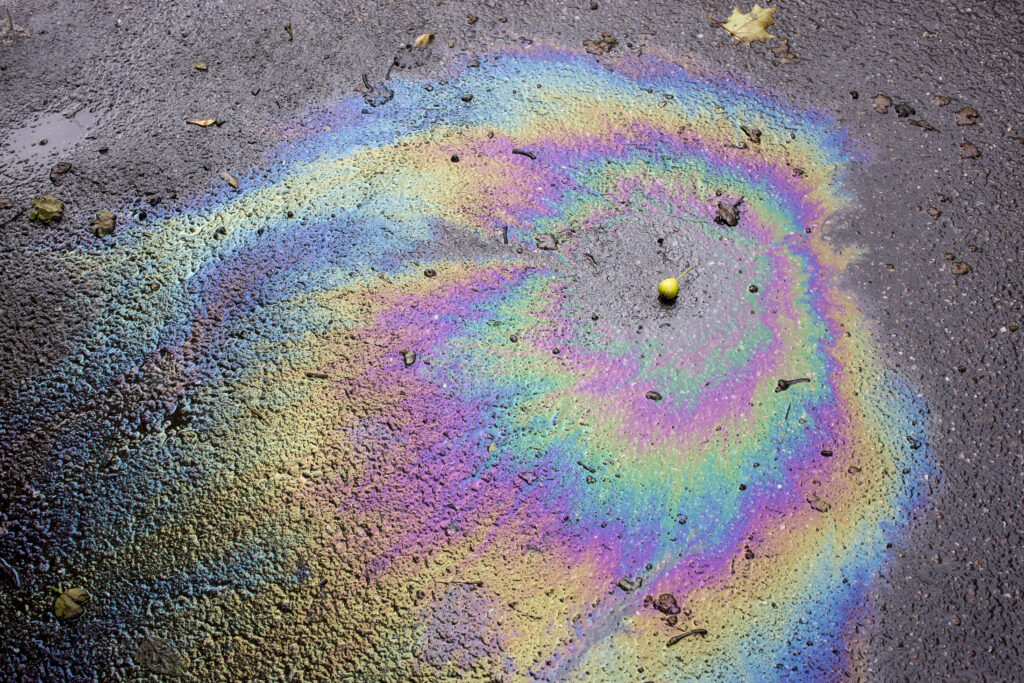
One of the most serious reasons why your car smells like gas is a fuel leak. This can happen in several areas:
- Fuel lines
- Fuel injectors
- Gas tank
- Fuel filter connections
Even a small leak can release strong fumes. You may notice:
- A puddle under your car
- A strong smell when parked
- Decreased fuel efficiency
A fuel leak should be addressed immediately, as it poses both a fire hazard and a health risk.
2. Loose or Damaged Gas Cap
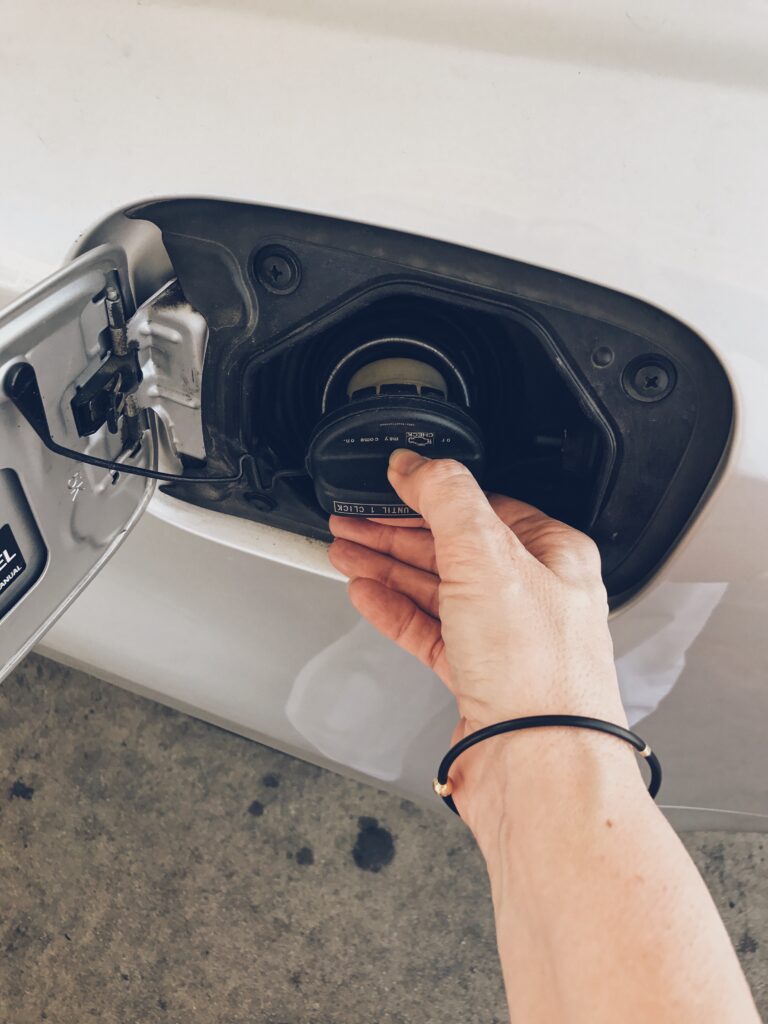
Sometimes the answer to why your car smells like gas is surprisingly simple. A loose, cracked, or missing gas cap can allow fuel vapors to escape.
Modern vehicles rely on a sealed fuel system, and the gas cap plays a critical role in maintaining that seal. If it’s not tightened properly:
- Vapors leak out
- The check engine light may turn on
- You may smell gas after driving
Always make sure your gas cap clicks securely after refueling.
3. Faulty EVAP System
Your vehicle’s EVAP (Evaporative Emission Control) system is designed to capture and recycle fuel vapors before they escape into the air.
If there’s a problem with this system, it’s a common reason why your car smells like gas. Potential issues include:
- Cracked hoses
- Faulty purge valve
- Damaged charcoal canister
When the EVAP system fails, vapors can escape and create a noticeable gasoline smell, especially around the rear of the vehicle.
4. Fuel Injector Problems
Fuel injectors deliver gasoline into the engine in a controlled spray. If one becomes damaged or stuck open, it can leak fuel or release excess vapor.
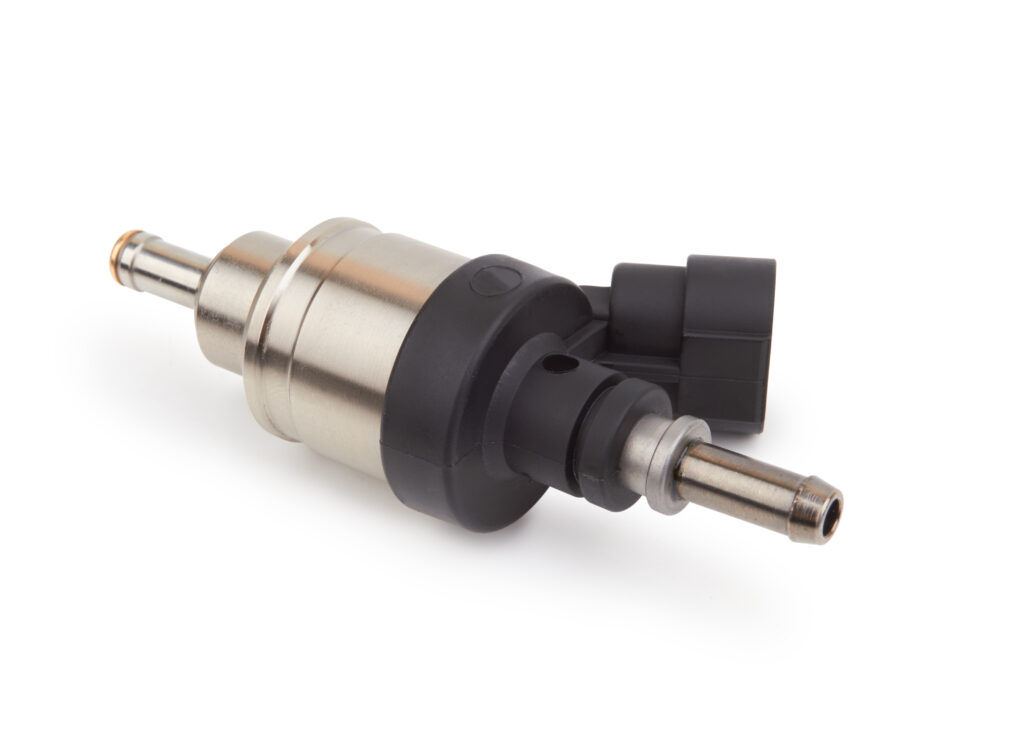
Signs this may be why your car smells like gas include:
- Rough idling
- Poor fuel economy
- Engine misfires
- Strong odor near the engine
Injector issues can quickly escalate, so it’s important to have them inspected early.
5. Exhaust System Issues
Another possible answer to why your car smells like gas is a problem in the exhaust system. If the exhaust isn’t properly filtering or burning fuel vapors, the smell can become noticeable.
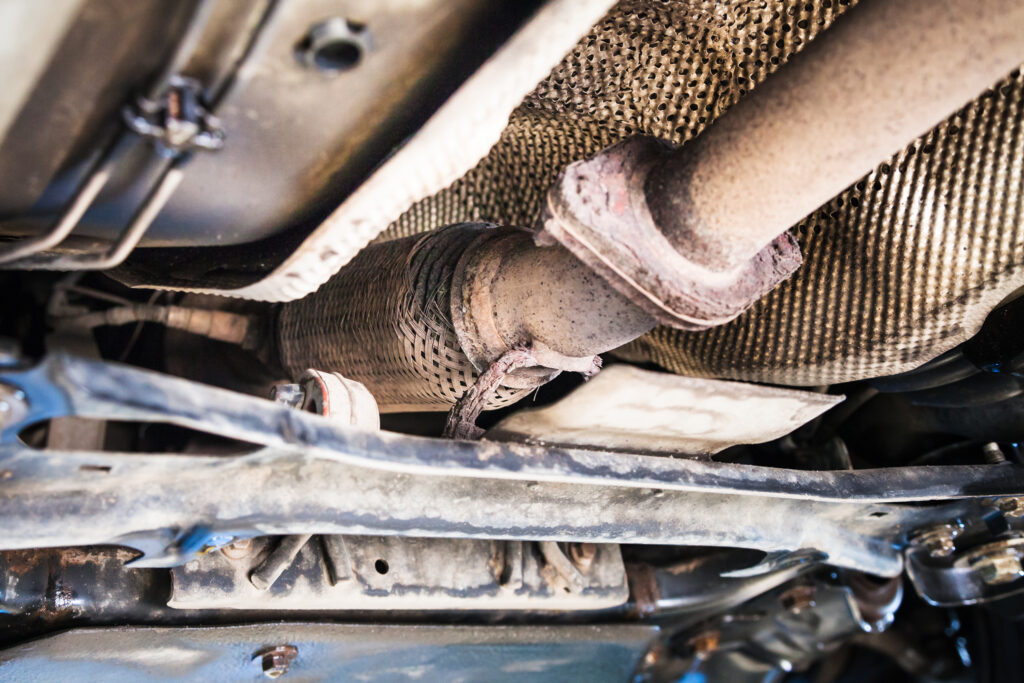
Common causes include:
- Failing catalytic converter
- Exhaust leaks
- Improper air-fuel mixture
Sometimes the smell may resemble gasoline even if it’s partially burned fuel exiting the exhaust.
6. Engine Running Too Rich
When your engine runs “rich,” it means it’s using too much fuel and not enough air. This imbalance can cause unburned gasoline to escape through the exhaust.
If this is why your car smells like gas, you may also notice:
- Black smoke from the exhaust
- Decreased fuel efficiency
- Sluggish performance
This issue is often tied to sensors like the oxygen sensor or mass airflow sensor.
7. Cracked Fuel Tank or Lines
Over time, components in your fuel system can wear down, especially in areas with extreme temperature changes.
A cracked fuel tank or deteriorating fuel lines can be a hidden reason why your car smells like gas. These issues may not always produce visible leaks but can still release fumes.
8. Spilled Gasoline
Sometimes the explanation for why your car smells like gas is less mechanical. Spilling gasoline during a fill-up can leave a lingering odor, especially if it gets on:
- The exterior paint
- Rubber seals
- Carpet near the trunk or fuel area
While this is less serious, the smell should fade after a short period. If it doesn’t, there may be another issue.
Is It Safe to Drive If Your Car Smells Like Gas?
If you’re wondering whether you can keep driving while figuring out why your car smells like gas, the safest answer is: proceed with caution.
It may be safe for short distances in minor cases (like a loose gas cap), but in many situations, it’s not worth the risk.
Gasoline vapors are:
- Flammable
- Harmful to inhale
- A sign of a larger issue
If the smell is strong, persistent, or accompanied by performance issues, you should have your vehicle inspected as soon as possible.
When Should You Get It Checked?
You should schedule a professional inspection immediately if:
- The smell is strong inside the cabin
- You notice fuel leaks or puddles
- Your check engine light is on
- The odor gets worse over time
- You experience engine performance issues
The longer you wait, the more likely a small issue becomes an expensive repair.
How Mechanics Diagnose Gas Smells
When you bring your vehicle in, a technician will typically:
- Inspect fuel lines and connections
- Check the gas cap and fuel tank
- Test the EVAP system
- Scan for diagnostic trouble codes
- Inspect injectors and engine performance
This thorough process ensures the root cause of why your car smells like gas is properly identified and fixed.
Preventing Gas Smells in the Future
While not all issues are avoidable, regular maintenance can reduce the chances of dealing with this problem.
Helpful steps include:
- Tightening your gas cap after every fill-up
- Scheduling routine inspections
- Replacing worn fuel system components
- Addressing check engine lights promptly
Staying proactive can save you time, money, and stress.
Conclusion
If you’ve been asking yourself, “why does my car smell like gas?”, it’s important to take it seriously. While some causes are minor, others can pose real safety risks and lead to costly repairs if ignored.
From fuel leaks to EVAP system failures, there are several possible reasons behind the smell. The key is identifying the issue early and getting it resolved before it becomes a bigger problem.
If your vehicle has a persistent gasoline odor, don’t wait. Contact us here to schedule a professional inspection and ensure your car is safe and running properly.
Further Reading
- U.S. Environmental Protection Agency – Evaporative Emission Control Systems
https://www.epa.gov - National Highway Traffic Safety Administration – Vehicle Safety Tips
https://www.nhtsa.gov - Car Care Council – Fuel System Maintenance Guide
https://www.carcare.org