Engine Oil Facts Every Driver Should Know: Myths vs Reality
Oil changes are one of the most routine tasks a driver performs, but there’s a surprising amount of confusion around when and how often to change your oil, what type to use, and what the process actually does for your engine. Separating fact from fiction is critical to keeping your vehicle running smoothly, avoiding costly repairs, and extending your engine’s lifespan.
This guide will explore the most common oil change myths, explain the engine oil facts you need to know, and give practical advice for maintaining your vehicle properly.
Why Engine Oil Is So Important
Your engine relies on oil to keep all its moving parts lubricated. Without proper lubrication, friction builds up, leading to wear, overheating, and eventual engine failure. Engine oil also:
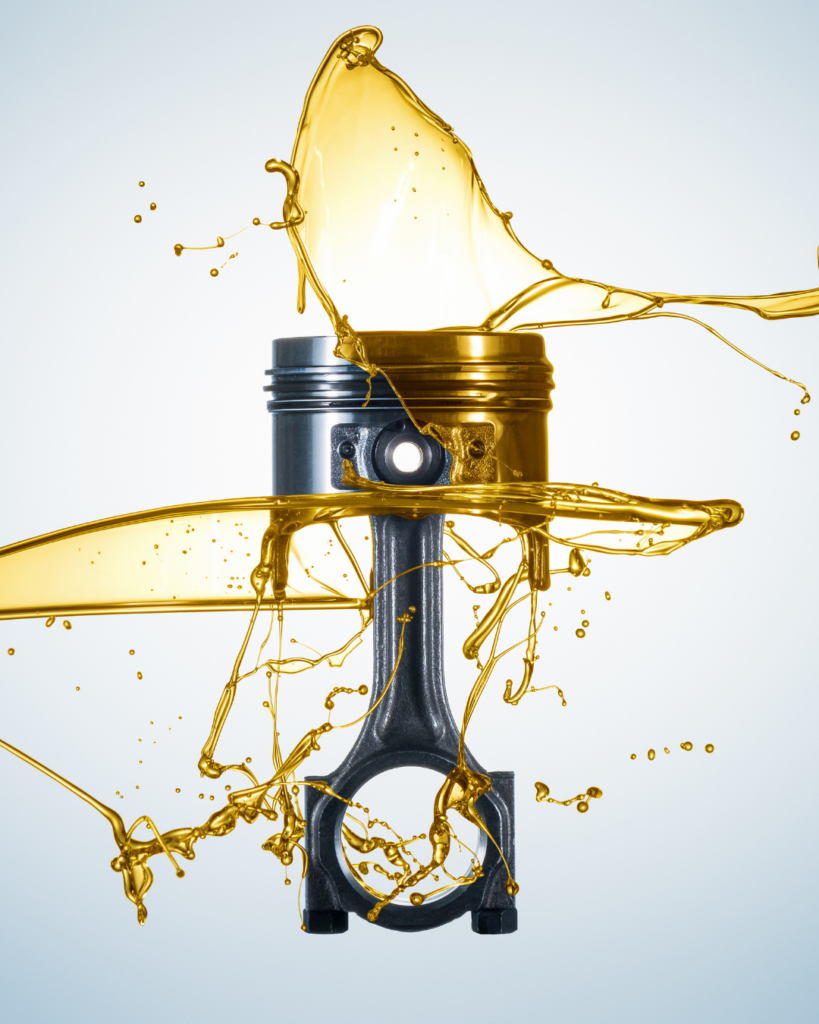
- Reduces friction between moving parts
- Cleans and traps contaminants
- Helps your engine run efficiently
- Protects against corrosion
Understanding engine oil facts helps you avoid common mistakes and make informed decisions about your vehicle maintenance.
Common Oil Change Myths vs Engine Oil Facts
Myth 1: You Must Change Your Oil Every 3,000 Miles
Engine Oil Fact: Modern vehicles and synthetic oils allow longer intervals. Many cars can go 5,000 to 7,500 miles, or more, between oil changes. Always consult your owner’s manual for manufacturer recommendations.
Myth 2: Synthetic Oil Is Only for High-End Cars
Engine Oil Fact: Synthetic oil is beneficial for most engines, not just luxury vehicles. It flows better at low temperatures, resists heat breakdown, and can extend oil change intervals.
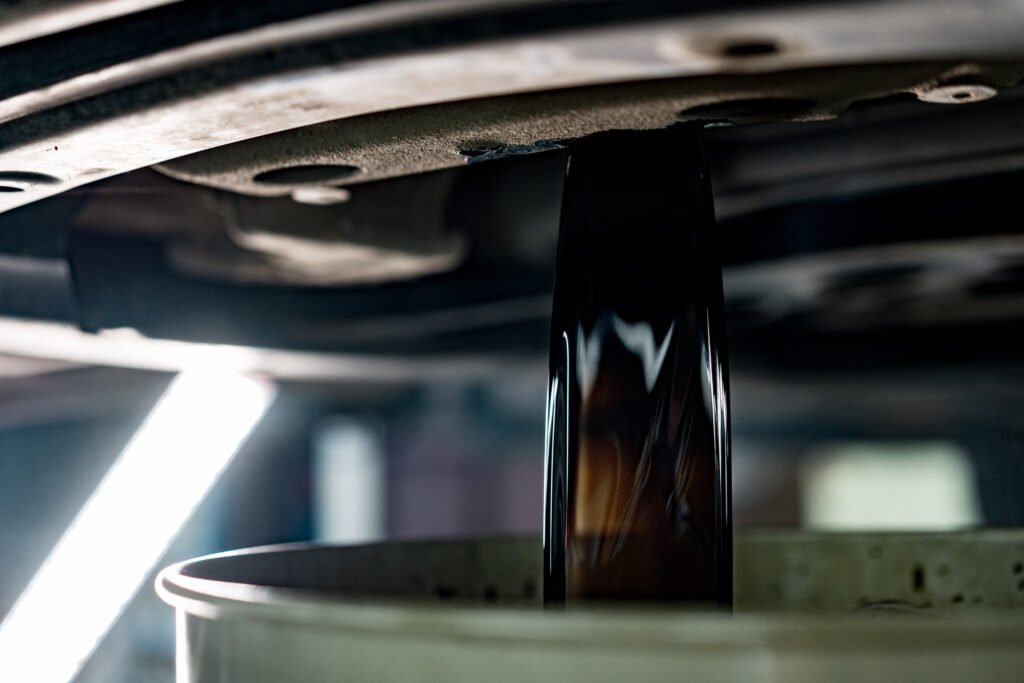
Myth 3: Dark Oil Means It’s Time for a Change
Engine Oil Fact: Oil naturally darkens as it collects contaminants. Color alone is not a reliable indicator. Rely on your oil life monitor or service schedule instead.
Myth 4: Topping Off Oil Is the Same as an Oil Change
Engine Oil Fact: Simply adding oil doesn’t replace old, contaminated oil. A full oil change removes buildup and ensures proper lubrication.
Myth 5: Low Mileage Means You Can Skip Oil Changes
Engine Oil Fact: Even if you don’t drive much, oil degrades over time. Most manufacturers recommend at least one oil change per year, regardless of miles driven.
Myth 6: Engine Flushes Are Required Every Oil Change
Engine Oil Fact: Routine engine flushes aren’t necessary unless a professional identifies sludge or buildup. Overuse can actually harm your engine.
Myth 7: Any Oil Brand Will Work
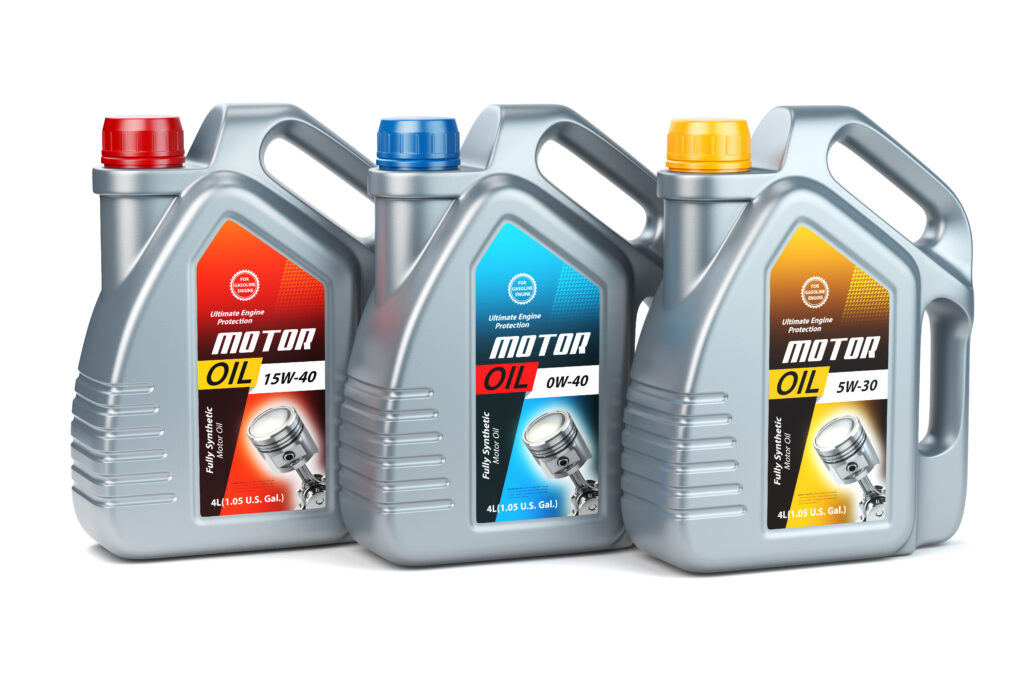
Engine Oil Fact: Using high-quality oil that meets your vehicle specifications ensures proper protection. The wrong type can void warranties or cause damage.
Signs You May Need an Oil Change
Even if you follow the recommended intervals, look out for these signs:
- Dashboard oil or maintenance light
- Dark, dirty oil on the dipstick
- Engine noise or knocking
- Reduced fuel efficiency
- Overheating engine
Addressing issues promptly prevents major repairs.
Tips for Maintaining Your Engine Oil Between Changes
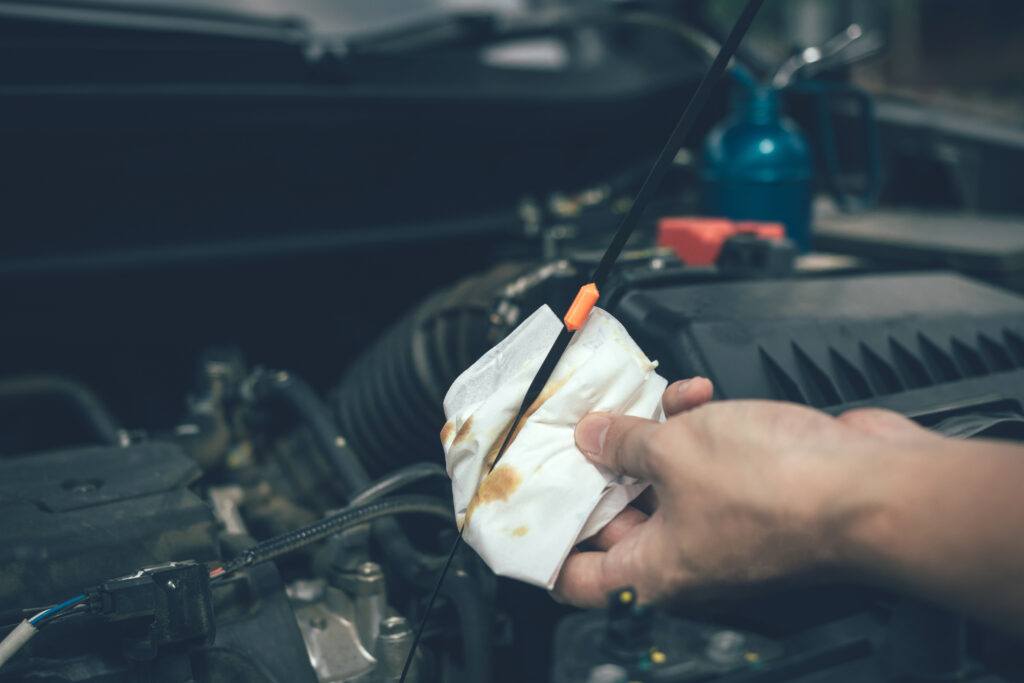
- Check oil levels regularly – monthly inspections prevent low oil issues.
- Drive smoothly – avoid hard accelerations and excessive idling.
- Use quality oil filters – a proper filter traps contaminants effectively.
- Follow manufacturer recommendations – stick to recommended oil types and intervals.
- Schedule routine inspections – let professionals check your engine periodically.
These practices ensure your engine stays healthy and runs efficiently.
Conclusion
Understanding engine oil facts and separating them from common myths is essential for protecting your car, improving performance, and preventing costly repairs. Regular oil changes, using the correct oil, and following your vehicle’s maintenance schedule are the foundation of good engine care.
To take action today and ensure your vehicle stays in top condition, you can schedule an appointment with Wayzata BP here. Our experienced technicians provide expert oil changes, inspections, and other services to keep your car running safely.
By understanding engine oil facts and avoiding common myths, you’re giving your vehicle the care it needs to perform at its best for years to come.