How Often Should I Change My Oil?
One of the most common questions vehicle owners ask is, “how often should I change my oil?” It’s a simple question, but the answer isn’t always as straightforward as it used to be. Advances in engine technology and motor oils have changed recommended service intervals over the years, making it important to understand what your specific vehicle needs.
Regular oil changes are one of the most important maintenance services you can perform. Clean engine oil reduces friction, protects internal engine components, removes contaminants, and helps regulate engine temperature. Ignoring oil changes can lead to increased wear, reduced performance, and expensive engine repairs.
Understanding how often should I change my oil will help keep your vehicle running smoothly while maximizing engine life.
Why Engine Oil Is So Important
Before discussing how often should I change my oil, it’s helpful to understand what engine oil actually does.

Engine oil performs several essential functions:
- Lubricates moving engine parts
- Reduces friction and wear
- Helps cool engine components
- Prevents sludge buildup
- Cleans away contaminants
- Protects against corrosion
Without clean oil, metal components inside your engine begin rubbing together, creating excessive heat and wear that can eventually lead to engine failure.
So, How Often Should I Change My Oil?
For many modern vehicles using synthetic oil, manufacturers commonly recommend oil changes every 7,500 to 10,000 miles.
Vehicles using conventional oil may require service every 3,000 to 5,000 miles.
However, the best answer to how often should I change my oil depends on several factors, including:
- Your vehicle manufacturer
- The type of oil used
- Driving habits
- Climate
- Vehicle age
- Engine condition
Your owner’s manual should always be the primary source for recommended maintenance intervals.
Conventional vs. Synthetic Oil
The type of oil in your engine plays a major role in determining how often should I change my oil.
Conventional Oil
Conventional oil generally requires more frequent changes because it breaks down faster under heat and stress.
It is commonly recommended for:
- Older vehicles
- Light driving conditions
- Engines designed for conventional oil
Synthetic Oil
Synthetic oil offers superior protection and typically lasts much longer.
Benefits include:
- Better high-temperature protection
- Improved cold-weather performance
- Longer service intervals
- Better resistance to breakdown
- Improved engine cleanliness
Although synthetic oil often costs more upfront, the extended service intervals can make it a better long-term value.
Driving Habits Matter
Even if your owner’s manual provides a recommended interval, your driving habits affect how often should I change my oil.

You may need more frequent oil changes if you regularly:
- Drive short distances
- Sit in heavy traffic
- Tow trailers
- Carry heavy loads
- Drive on dusty roads
- Make frequent stop-and-go trips
These conditions place additional stress on your engine and cause oil to degrade more quickly.
Why Short Trips Are Hard on Engine Oil
Many people don’t realize that frequent short trips can shorten oil life.
During short drives:
- The engine may not reach full operating temperature.
- Moisture can build up inside the engine.
- Fuel contamination increases.
- Sludge forms more easily.
If most of your driving consists of short commutes, the answer to how often should I change my oil may be more frequently than the standard recommendation.
Warning Signs You May Need an Oil Change
Sometimes your vehicle tells you it’s time for service.
Watch for these signs:
Oil Change Reminder Light
Many newer vehicles monitor driving conditions and display an oil service reminder when maintenance is due.
Dark or Dirty Oil

Fresh oil has a clean amber appearance.
Over time it becomes darker as it collects contaminants.
Engine Noise
Old or low oil reduces lubrication, allowing engine components to create more noise.
Burning Oil Smell
A burning smell may indicate overheated oil or an oil leak.
Reduced Fuel Economy
Dirty oil increases engine friction, which can negatively impact fuel efficiency.
Rough Engine Performance
Engines running on degraded oil may not perform as smoothly as they should.
What Happens If You Wait Too Long?
One reason people ask how often should I change my oil is because they want to avoid unnecessary maintenance.
However, delaying oil changes can become far more expensive.
Old oil loses its ability to:
- Lubricate effectively
- Remove contaminants
- Dissipate heat
- Prevent sludge formation
Eventually this can result in:
- Increased engine wear
- Reduced performance
- Poor fuel economy
- Overheating
- Engine sludge
- Costly repairs
Routine oil changes are significantly less expensive than replacing an engine.
Can You Change Oil Too Often?
Some drivers still follow the old 3,000-mile rule regardless of their vehicle.
While changing oil early won’t damage your engine, it may not always be necessary if your vehicle uses synthetic oil and the manufacturer recommends longer intervals.
Instead of guessing how often should I change my oil, follow your owner’s manual and discuss your driving habits with a trusted technician.
Oil Filters Matter Too
Every oil change should include replacing the oil filter.
The oil filter removes contaminants from the oil before they circulate through the engine.

A clogged filter can:
- Reduce oil flow
- Lower lubrication efficiency
- Increase engine wear
Replacing both the oil and filter ensures your engine receives maximum protection.
Don’t Forget to Check Oil Between Services
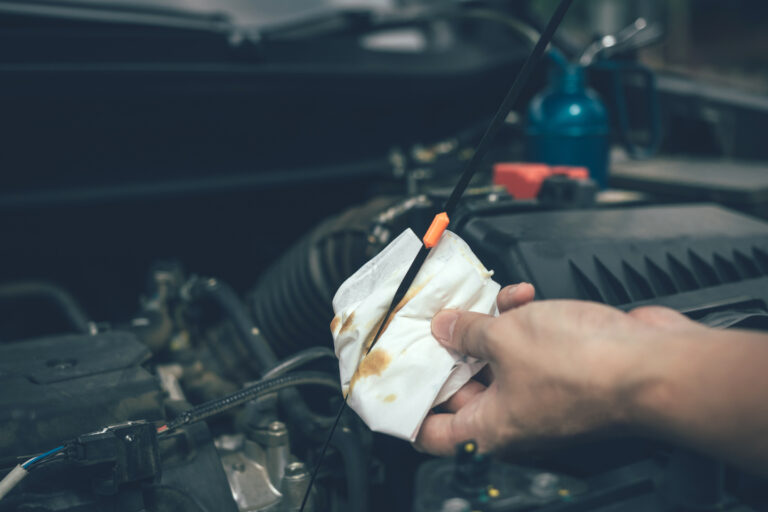
Even if you’re following recommended intervals, it’s still a good idea to check your oil periodically.
Look for:
- Proper oil level
- Clean appearance
- Signs of leaks
Checking your oil once a month only takes a few minutes and can help identify problems before they become serious.
Seasonal Weather Can Affect Oil Life
Minnesota drivers experience both extremely cold winters and hot summers.
These changing conditions influence how often should I change my oil because temperature extremes place additional stress on engine oil.
Cold starts increase engine wear during winter.
High summer temperatures accelerate oil breakdown.
Routine maintenance becomes even more important in regions with dramatic seasonal weather changes.
Why Professional Oil Changes Matter
An oil change involves more than simply replacing oil.
During a professional service, technicians often inspect:
- Tire condition
- Fluid levels
- Belts and hoses
- Battery health
- Brakes
- Suspension components
- Air filters
These inspections often identify small issues before they become expensive repairs.
Keeping Maintenance Records
Maintaining accurate service records offers several advantages.
They help:
- Track maintenance intervals
- Improve resale value
- Verify warranty requirements
- Prevent missed services
If you’re unsure how often should I change my oil, keeping records makes it much easier to stay on schedule.
Build Oil Changes Into Your Maintenance Routine
One of the easiest ways to stay current is to schedule oil changes alongside other routine services.
Many drivers combine oil changes with:
- Tire rotations
- Brake inspections
- Battery testing
- Fluid inspections
This approach saves time while ensuring your vehicle receives consistent preventative maintenance.
Conclusion
If you’ve been wondering how often should I change my oil, the answer depends on your vehicle, the type of oil you use, and how you drive. While many modern vehicles can safely go between 7,500 and 10,000 miles with synthetic oil, others may require more frequent service based on manufacturer recommendations and driving conditions.
Routine oil changes remain one of the most affordable ways to protect your engine, improve performance, and extend the life of your vehicle. Staying on top of this simple maintenance service can help you avoid costly repairs while keeping your vehicle dependable for years to come.
If you’re unsure whether your vehicle is due for an oil change or you’d like a professional inspection while you’re here, contact us here. We’ll help you determine the right maintenance schedule for your vehicle and keep it running at its best.
Further Reading
- Car Care Council – Motor Oil and Filter Maintenance
https://www.carcare.org - American Automobile Association – Vehicle Maintenance Guide
https://www.aaa.com - National Highway Traffic Safety Administration – Vehicle Maintenance Safety
https://www.nhtsa.gov - American Petroleum Institute – Motor Oil Information
https://www.api.org