Few things make driving feel uncomfortable faster than noticing your steering wheel shaking while you are on the road. Sometimes the vibration is minor and only happens at certain speeds. Other times it can feel aggressive enough to make you question whether your vehicle is safe to drive.
Steering wheel vibration is one of the most common vehicle complaints drivers experience, especially after long winters, pothole season, or general wear and tear. While some causes are relatively minor, others may point to suspension, brake, alignment, or tire problems that should not be ignored.
Understanding what causes steering wheel vibration can help you identify problems early and potentially avoid more expensive repairs later.
What Causes Steering Wheel Vibration?
There is no single cause of steering wheel vibration. The vibration itself is usually a symptom that something in the vehicle is no longer operating smoothly or evenly.
The most common causes include:
- Tire balance issues
- Wheel alignment problems
- Brake system wear
- Suspension damage
- Tire damage
- Wheel bearing issues
- Steering system wear
The speed you are driving, when the vibration occurs, and how the steering wheel feels can all help narrow down the root cause.
Unbalanced Tires
One of the most common reasons for steering wheel vibration is unbalanced tires.
Your tires and wheels are designed to spin evenly. Small balancing weights are added to wheels to help distribute weight properly while driving. If a wheel loses a balancing weight or the tire wears unevenly, the wheel may begin spinning improperly.
This often causes:
- Steering wheel shaking at highway speeds
- Vibration between 55 and 75 MPH
- Uneven tire wear
- Reduced ride comfort
Drivers frequently notice this issue becoming more obvious during highway driving rather than low-speed city driving.
Fortunately, tire balancing is often one of the simpler causes of steering wheel vibration to correct.
Wheel Alignment Problems
Wheel alignment problems are another major cause of steering wheel vibration.
Minnesota roads can be especially tough on alignments because of:
- Potholes
- Frost heaves
- Road damage
- Winter driving conditions

Even a single pothole impact can knock alignment angles out of specification.
Poor alignment may cause:
- Pulling to one side
- Uneven tire wear
- Crooked steering wheel position
- Reduced handling
- Steering wheel vibration
Alignment issues also place additional stress on tires and suspension components, which can lead to faster wear over time.
Brake Rotor Problems
If your steering wheel vibration happens mainly while braking, warped brake rotors may be the issue.
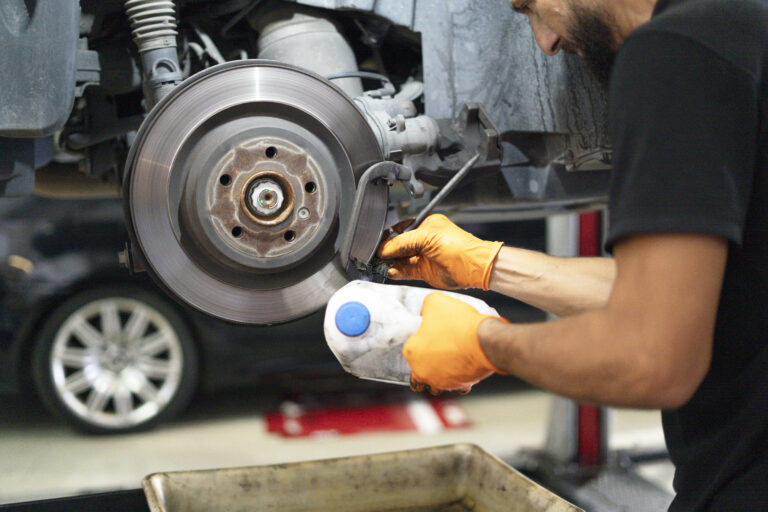
Brake rotors should have smooth, even surfaces. Over time, heat and wear can cause the rotor surface to become uneven. When this happens, the brake pads no longer make smooth contact with the rotor during braking.
This can create:

- Pulsation in the steering wheel
- Vibration while braking
- Shaking during slowing or stopping
- Brake pedal pulsation
Brake rotor issues may become more noticeable during:
- Highway braking
- Long downhill driving
- Heavy braking situations
Ignoring brake vibration can eventually affect braking performance and increase wear on other components.
Tire Problems and Uneven Wear
Damaged or unevenly worn tires can also lead to steering wheel vibration.
Common tire issues include:
- Flat spots
- Internal tire separation
- Uneven tread wear
- Tire bulges
- Low tire pressure
Tires that are worn unevenly may no longer maintain smooth contact with the road surface. This can create vibrations that transfer directly into the steering wheel.
Uneven wear may also indicate other problems such as:
- Suspension wear
- Improper alignment
- Tire inflation problems
Regular tire inspections can help catch these problems early.
Suspension Component Wear
Your suspension system helps absorb road impacts and maintain stable vehicle handling. As suspension components wear out, steering wheel vibration may become more noticeable.
Common worn suspension parts include:
- Ball joints
- Tie rods
- Control arm bushings
- Shocks and struts
Worn suspension components may cause:
- Loose steering feel
- Clunking noises
- Unstable handling
- Vehicle bouncing
- Steering wheel vibration
Minnesota winters can accelerate suspension wear due to potholes, rough roads, and freezing temperatures.
Wheel Bearing Problems
Wheel bearings help your wheels rotate smoothly while supporting the vehicle’s weight.
As wheel bearings wear out, they may create:
- Humming noises
- Grinding sounds
- Steering wheel vibration
- Uneven tire wear
In some cases, wheel bearing problems worsen as speed increases.
Because wheel bearings affect both safety and handling, unusual noises or vibrations should be inspected promptly.
Steering System Issues
Problems within the steering system itself can also create steering wheel vibration.

Components such as:
- Tie rods
- Steering rack components
- Steering linkage parts
- can wear over time and contribute to looseness or vibration.
Steering-related issues may feel especially noticeable:
- While turning
- During highway driving
- Over rough roads
- During acceleration
Steering system wear should never be ignored because it directly affects vehicle control.
Why Steering Wheel Vibration Often Gets Worse Over Time
One of the biggest mistakes drivers make is assuming the vibration will eventually go away on its own.
In reality, most steering wheel vibration problems gradually worsen over time as:
- Tires continue wearing unevenly
- Suspension parts loosen further
- Brake components wear down
- Alignment problems increase stress on the vehicle
Small vibrations can eventually become:
- Larger handling problems
- Faster tire wear
- More expensive repairs
- Reduced driving safety
Catching the issue early is usually the best way to minimize repair costs.
Why Minnesota Roads Make Steering Wheel Vibration More Common
Minnesota drivers deal with road conditions that can be especially hard on vehicles.
Potholes, road salt, freezing temperatures, and rough winter driving conditions all contribute to:
- Suspension wear
- Tire damage
- Alignment problems
- Wheel damage
Even newer vehicles can develop steering wheel vibration after repeated impacts from rough roads.
This is why many drivers begin noticing vibrations:
- After winter
- During spring pothole season
- Following road construction periods
Routine inspections can help identify damage before it becomes severe.
Signs You Should Have Steering Wheel Vibration Inspected
Some vibrations are mild at first, but they should still be checked before they worsen.
It may be time for an inspection if:
- The steering wheel shakes at highway speeds
- Vibration happens while braking
- The vehicle pulls to one side
- Tires show uneven wear
- You hear clunking or humming noises
- Handling feels unstable
- The vibration becomes more noticeable over time
These symptoms may indicate problems affecting your vehicle’s safety, comfort, and performance.
How Steering Wheel Vibration Is Diagnosed
Diagnosing steering wheel vibration usually requires a complete inspection of several systems.
Technicians may inspect:
- Tire condition
- Tire balance
- Wheel alignment
- Brake components
- Suspension parts
- Steering components
- Wheel bearings
Because multiple issues can create similar symptoms, a professional inspection helps identify the true root cause instead of guessing.
Preventing Steering Wheel Vibration
While some wear is unavoidable, regular maintenance can help reduce the risk of steering wheel vibration.
Helpful maintenance steps include:
- Regular tire rotations
- Proper tire inflation
- Alignment checks
- Brake inspections
- Suspension inspections
- Prompt repair of worn components
Avoiding potholes and road hazards whenever possible can also help reduce stress on suspension and wheel components.
Conclusion
Steering wheel vibration is more than just an annoyance. It is often your vehicle’s way of warning you that something is no longer operating properly.
Whether the issue involves tire balance, alignment problems, worn suspension components, or brake system wear, addressing the problem early can help improve safety, ride comfort, and long-term vehicle reliability.
If your vehicle has started developing steering wheel vibration, unusual shaking, or handling concerns, contact us here to schedule an inspection and help keep your vehicle driving smoothly and safely.
Further Reading
- https://www.bridgestonetire.com/learn/maintenance/steering-wheel-vibration/
- https://www.firestonecompleteautocare.com/blog/maintenance/why-is-my-steering-wheel-shaking/
- https://www.lesschwab.com/article/alignment/why-is-my-steering-wheel-shaking.html
- https://www.autozone.com/diy/suspension-steering/why-is-my-steering-wheel-shaking