Introduction
Your car’s fuel system is the unsung hero that keeps your engine running smoothly. Whether you’re commuting through the Twin Cities or heading out on a long road trip, the fuel system ensures that the right amount of clean fuel reaches your engine for optimal combustion. But when the system starts to clog or malfunction, performance issues quickly follow. Recognizing the early warning signs of trouble and scheduling timely fuel system service can prevent costly repairs and keep your vehicle efficient for years.
In this guide, we’ll explain what the fuel system does, how to spot signs of trouble, what repairs might cost, and how to prevent issues from happening in the first place.

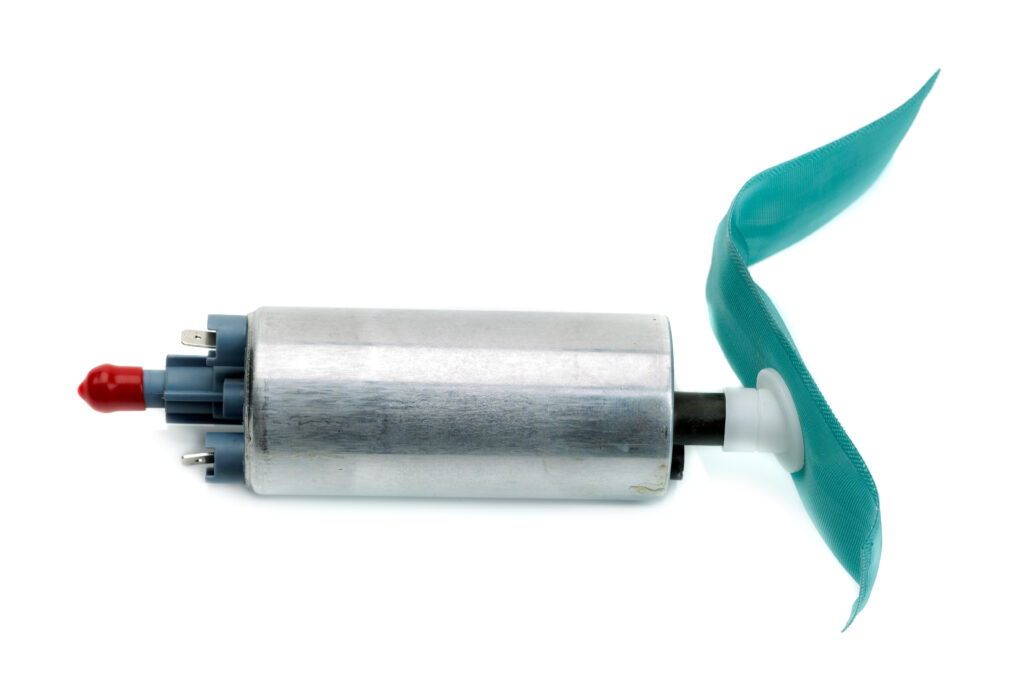
What Is the Fuel System and Why It Matters
Your vehicle’s fuel system delivers gasoline or diesel from the tank to the engine, regulating pressure and ensuring a precise fuel-to-air mixture for combustion. The system typically includes:
- Fuel tank: Stores the gasoline or diesel.
- Fuel pump: Moves fuel from the tank to the engine.
- Fuel filter: Traps dirt, debris, and rust before fuel reaches the engine.
- Fuel injectors: Spray fuel into the engine’s cylinders for efficient combustion.

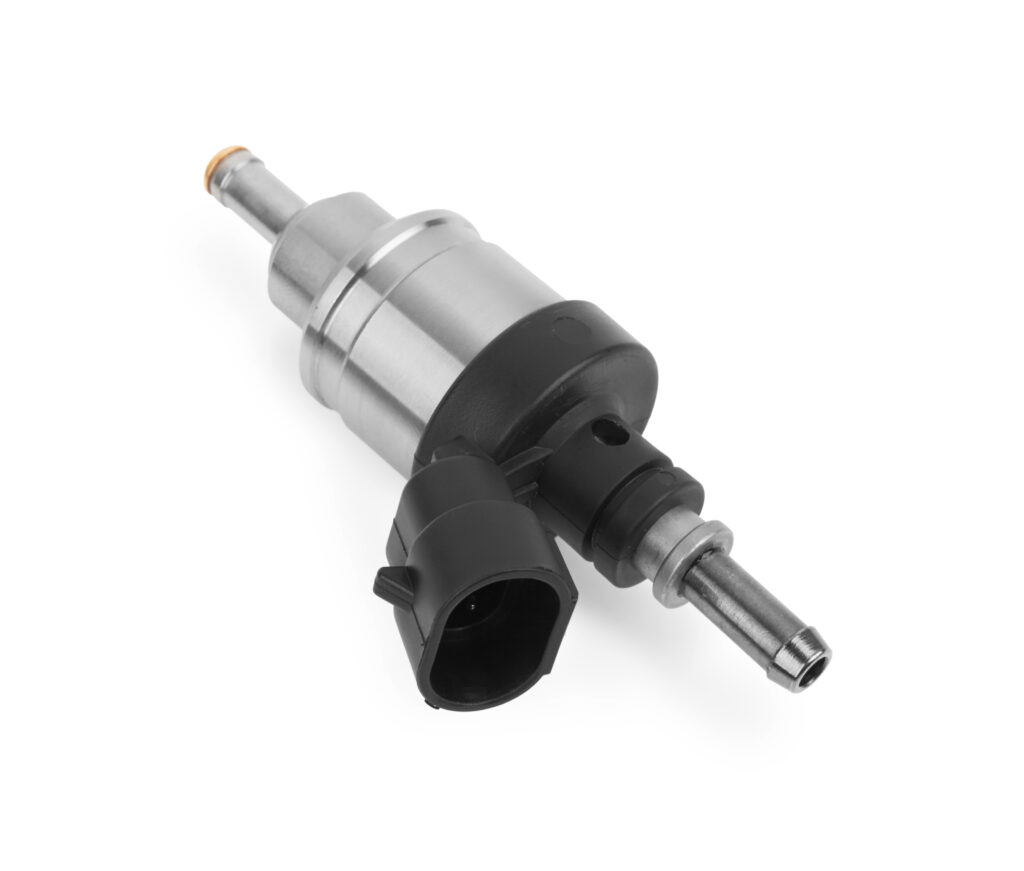
When any component of this system becomes dirty, worn, or clogged, your vehicle’s performance suffers. That’s why routine fuel system service—cleaning, filter replacement, and inspection—is vital to maintaining power and efficiency.
Common Signs You Need Fuel System Service
Recognizing the symptoms of a failing fuel system can save you from major repairs. Here are the most common signs your vehicle needs fuel system service:
1. Reduced Fuel Efficiency
If you’re filling up more often without changing your driving habits, your fuel system could be to blame. Clogged injectors or a dirty fuel filter make the engine work harder, burning more fuel than necessary.
2. Difficulty Starting or Stalling
A weak or failing fuel pump may not supply enough pressure to start your engine consistently. If your vehicle cranks but struggles to start—or stalls after running for a short time—it’s time for a professional inspection.
3. Rough Idling or Hesitation
When fuel flow becomes uneven, the engine may idle roughly or hesitate when accelerating. Dirty fuel injectors can disrupt the precise fuel-air balance needed for smooth operation.
4. Loss of Power or Poor Acceleration
If your car feels sluggish or fails to accelerate properly, it may be starving for fuel. A restricted fuel line, clogged injectors, or failing pump can all reduce engine power output.
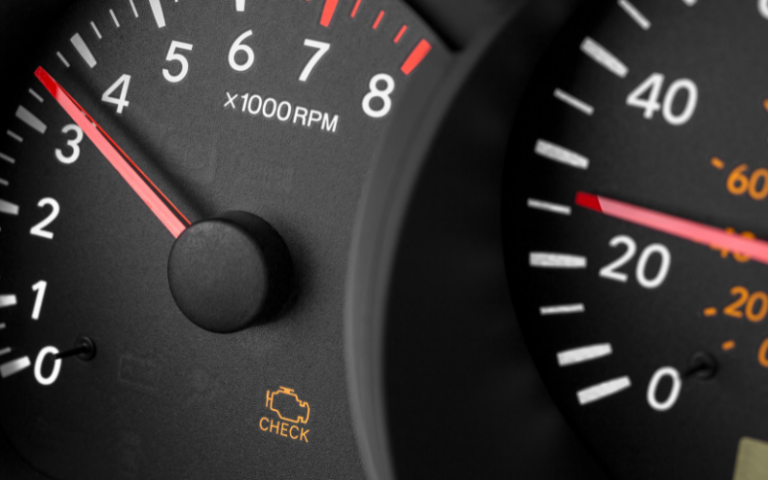
5. Check Engine Light Is On
Modern vehicles use sensors to detect problems in the fuel system. A malfunctioning injector or oxygen imbalance can trigger the check engine light. A technician can read the diagnostic code to determine the cause.
6. Unusual Noises from the Fuel Tank
A failing fuel pump sometimes makes whining or humming noises from inside the tank. While some noise is normal, a high-pitched whine can indicate a problem.
7. Exhaust Smoke or Fuel Smell
Black smoke from your tailpipe or the smell of raw fuel indicates incomplete combustion or leaking components. This not only hurts fuel economy but also increases emissions and safety risks.
How Fuel System Service Works
A professional fuel system service involves a series of steps to clean, test, and restore performance. Here’s what a typical service might include:
- Fuel Injector Cleaning: Using specialized cleaners or ultrasonic technology, technicians remove carbon buildup from injectors to restore spray patterns.
- Fuel Filter Replacement: Old filters are replaced to allow proper fuel flow.
- Fuel Pump Inspection: Technicians test pressure and output to ensure the pump is functioning properly.
- System Flush: The entire system is flushed using cleaning solutions that dissolve deposits from lines, rails, and injectors.
- Pressure Testing and Calibration: After cleaning, fuel pressure and flow rates are tested to confirm optimal performance.
Fuel System Service Costs
The cost of a fuel system service can vary based on your vehicle type, age, and the extent of buildup or damage. Below is a general cost breakdown:
- Basic fuel system cleaning: $75–$150
- Fuel filter replacement: $50–$150
- Fuel injector cleaning (advanced): $100–$250
- Fuel pump replacement: $400–$1,000 (depending on make and model)
Most Twin Cities drivers find that regular maintenance every 30,000–45,000 miles prevents major issues and saves hundreds in long-term repairs.
Preventing Future Fuel System Problems
Keeping your vehicle’s fuel system clean and functioning properly isn’t difficult—just a matter of consistent care. Follow these simple steps to prevent buildup and extend the life of your fuel components:
1. Use Quality Fuel
Always buy gas from reputable stations that offer top-tier fuel. High-quality gasoline contains detergents that help prevent carbon buildup in your injectors.
2. Replace the Fuel Filter Regularly
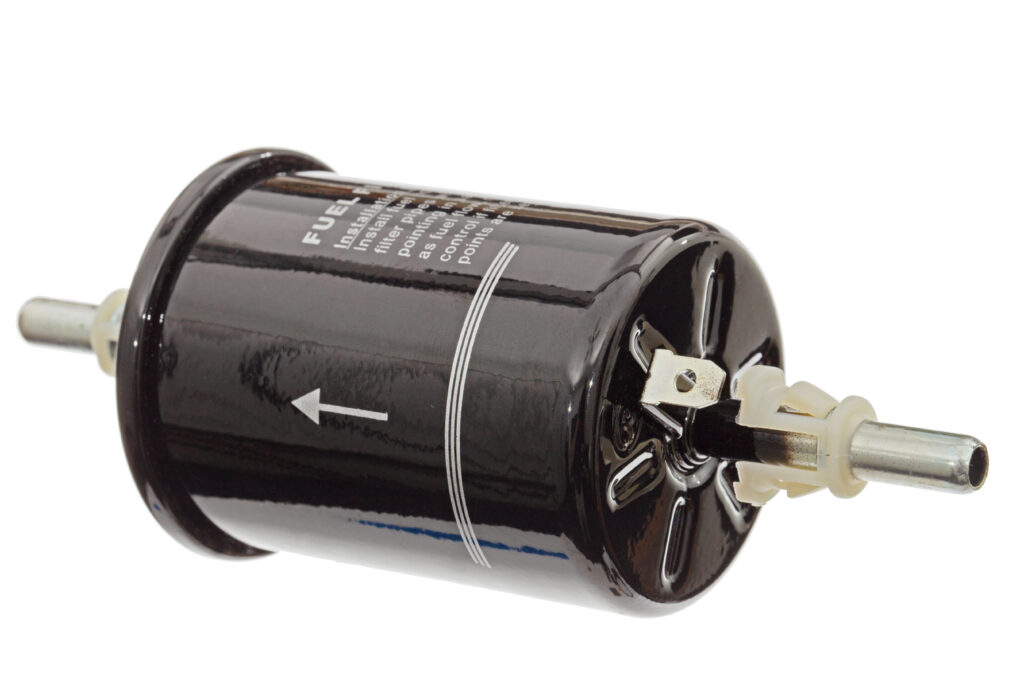
Your vehicle’s manufacturer provides a recommended replacement schedule, often every 30,000 miles. Keeping the filter clean ensures fuel flows freely and contaminants stay out of the engine.
3. Avoid Running on Low Fuel
Driving with less than a quarter tank can cause the pump to overheat and draw debris into the system. Keeping your tank at least half full helps maintain consistent pressure.
4. Schedule Routine Fuel System Service
At least once a year—or as recommended by your mechanic—have a professional perform a fuel system inspection and cleaning. Regular attention helps avoid clogs and failures.
5. Keep Up with Other Maintenance
Dirty air filters, old spark plugs, and neglected oil changes can all impact combustion and cause the fuel system to overwork. Coordinated maintenance ensures your vehicle operates efficiently.
The Benefits of Professional Fuel System Service
Investing in regular fuel system service offers numerous benefits:
- Improved fuel economy: Less waste and better mileage.
- Restored engine performance: Consistent power and smooth acceleration.
- Reduced emissions: Cleaner fuel burn equals fewer pollutants.
- Extended component life: Protects expensive parts like pumps and injectors.
- Lower long-term costs: Prevents major repairs caused by neglect.
For Wayzata drivers, having your fuel system serviced regularly means fewer winter start problems and better overall reliability in Minnesota’s demanding climate.
When to Schedule Your Next Fuel System Service
If you’ve noticed any of the warning signs mentioned above—or if it’s been more than 30,000 miles since your last inspection—it’s time to schedule fuel system service. Fall and early winter are ideal times to get your vehicle ready for cold weather, when poor fuel performance can make starting difficult.
A trusted service provider like Wayzata BP can test your fuel pressure, inspect your filter, and clean your injectors to keep your engine running smoothly all year long.
Conclusion
A clean, well-maintained fuel system is essential to your vehicle’s performance, efficiency, and reliability. By learning the signs that your vehicle needs fuel system service—and scheduling regular maintenance—you can avoid breakdowns, save money on gas, and keep your car running strong in any season.
If you’re experiencing symptoms like reduced fuel economy, hard starts, or loss of power, don’t wait. Schedule your professional fuel system service today at Wayzata BP and make sure your vehicle is ready for the road ahead. You can schedule your service here.
Further Reading
For more information on proper fuel system maintenance and prevention, check out these trusted resources:
- AAA – Fuel System Maintenance Basics
https://www.aaa.com/autorepair/articles/fuel-system-cleaning - U.S. Department of Energy – Improve Your Fuel Economy
https://www.fueleconomy.gov/feg/maintain.jsp - Firestone Complete Auto Care – Fuel System Cleaning
https://www.firestonecompleteautocare.com/maintenance/fuel-system-cleaning/ - Your Mechanic – Symptoms of a Bad or Failing Fuel Pump
https://www.yourmechanic.com/article/symptoms-of-a-bad-or-failing-fuel-pump