Minnesota winters demand a lot from your vehicle. Frigid temperatures, icy roads, packed snow, and corrosive road salt all take a toll on your car’s performance and reliability. For drivers in Wayzata and the Western-Metro, staying ahead of the season isn’t just about comfort; it’s about safety. The right winter car prep can help prevent breakdowns, ensure dependable performance, and give you confidence when temperatures drop well below freezing.

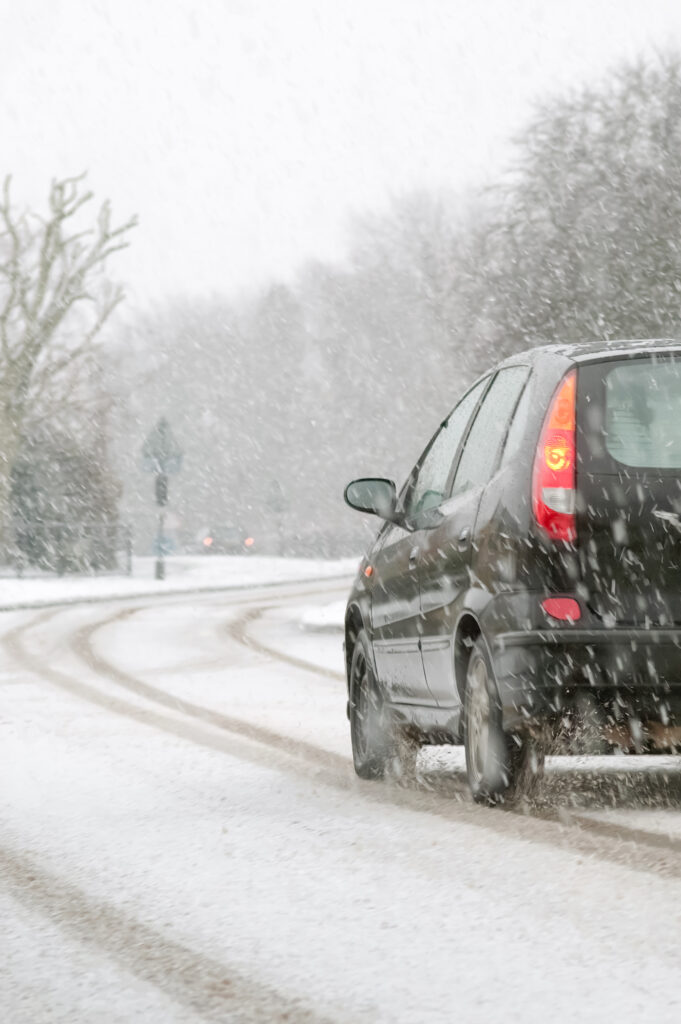
This comprehensive guide covers everything you need to know about winter car prep—from tires and fluids to emergency kits and driving habits—so you can stay safe and ready no matter what Minnesota winter throws your way.
Why Winter Car Prep Matters in Minnesota
Minnesota experiences some of the harshest winter conditions in the country. Below-zero temperatures can thicken fluids, freeze batteries, and reduce traction. Heavy snowfalls require dependable braking and steering. Road salt and sand contribute to rust and wear. Without proper winter car prep, these conditions increase your chance of inconvenient breakdowns or unsafe driving situations.
For Wayzata drivers, daily commutes along Highway 12, Lake Street, and county roads become more challenging once the snow arrives. A well-prepared vehicle performs better, lasts longer, and helps you stay safe on winter roads.
1. Tires: Your First Line of Defense
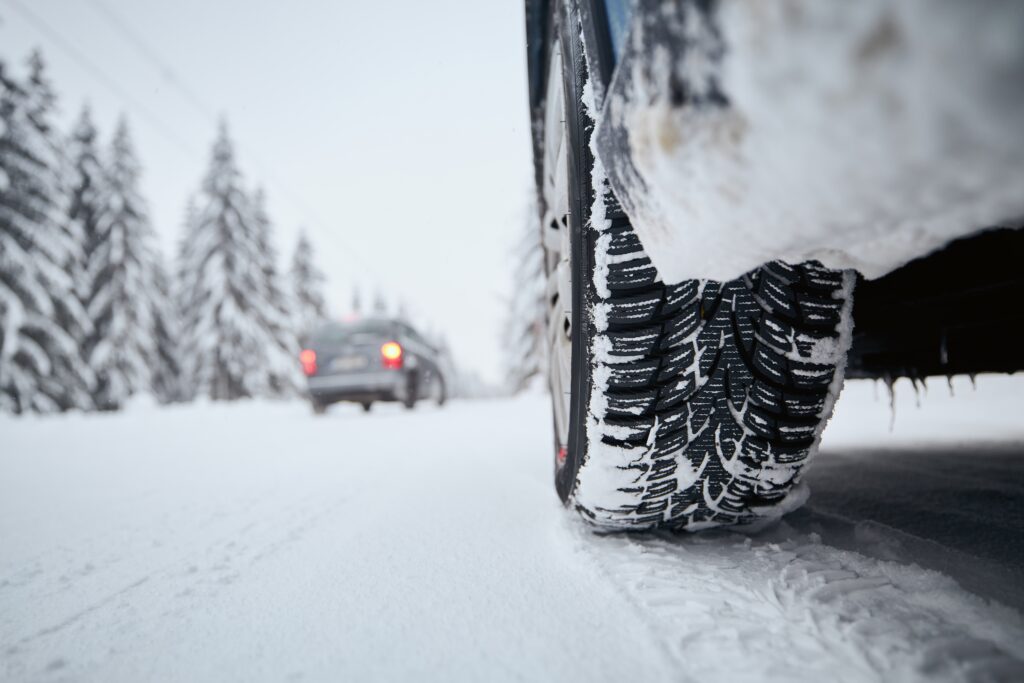
Your tires have more impact on winter safety than any other part of your vehicle. Proper winter car prep starts with evaluating your tire condition and choosing the right option for the season.

Check Your Tread Depth
Worn tires drastically reduce traction on snow and ice. A minimum of 4/32″ is recommended for winter, but more tread is always better.
Winter Tires vs. All-Season Tires
Many Minnesota drivers benefit from winter tires. Their rubber compounds stay flexible in cold weather, and the tread is engineered for snow and ice. They significantly outperform all-season tires in braking and cornering on slick roads.
If you stick with all-season tires, make sure they’re in excellent condition and properly balanced.
Proper Tire Pressure
Cold temperatures lower tire pressure. Underinflated tires reduce control and increase wear. Check pressure weekly during winter and keep them inflated to the vehicle’s recommended PSI.
2. Battery: Avoid Cold-Weather Failures
Winter weather is tough on batteries. Cold temperatures slow chemical reactions and reduce power output.
Test Your Battery
If your battery is more than three years old, include a battery test in your winter car prep checklist. A weak battery that lasts through summer may fail as soon as temperatures sink below freezing.
Clean the Connections
Corrosion creates resistance, preventing your battery from delivering necessary power. Cleaning terminals and checking for secure connections helps ensure reliable performance.
Check the Alternator
A failing alternator can mimic battery issues. Testing the entire charging system is a smart step before winter begins.
3. Fluids: Keep Everything Flowing in the Cold
Fluids behave differently when the temperature drops. Proper winter car prep includes checking and replacing any fluids that may thicken or freeze.
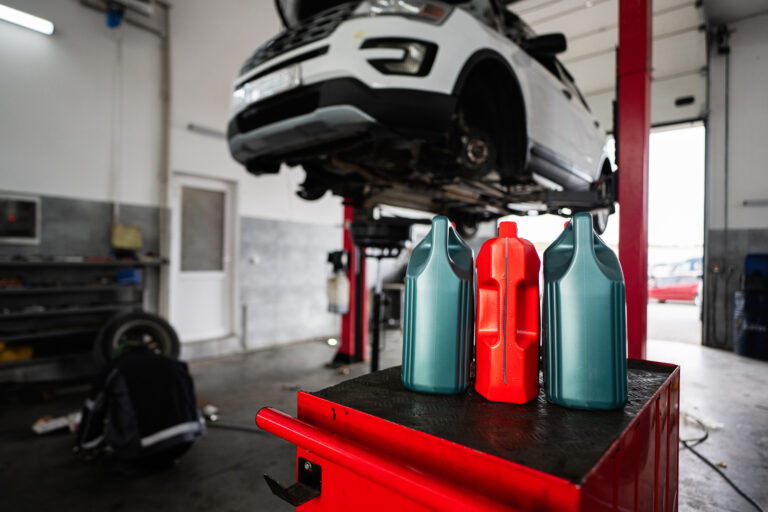
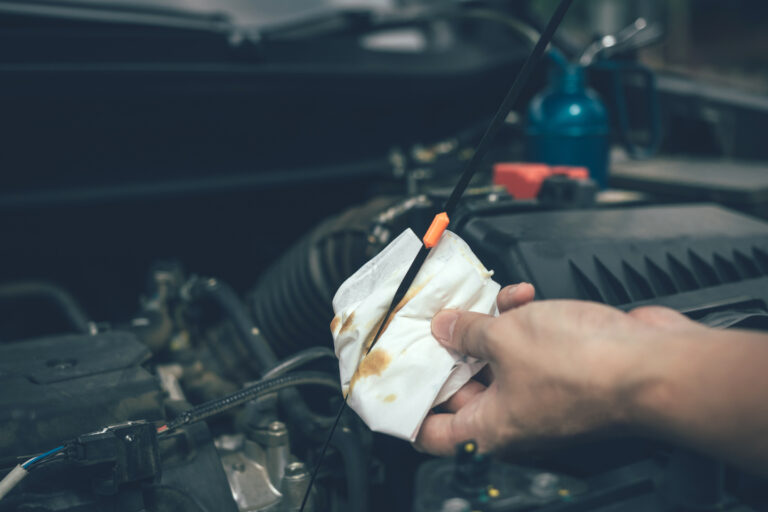
Engine Oil
Some vehicles benefit from a winter-grade oil that flows better in cold temperatures. Check your owner’s manual or ask your technician if switching makes sense for your car.
Coolant / Antifreeze
Coolant prevents freezing and overheating. Make sure your ratio is correct (typically 50/50) and the system is free of leaks.
Washer Fluid
Use winter-blend washer fluid rated for sub-zero temperatures. Summer fluid can freeze on the windshield, creating a safety hazard.
Transmission and Brake Fluids
These should be inspected regularly. Thick, contaminated fluids can hurt responsiveness and performance in cold conditions.
4. Brakes: Your Winter Safety System
Snowy and icy roads make dependable brakes essential. Winter car prep should include a full brake inspection.
Check Brake Pads and Rotors
Worn pads increase stopping distance, especially on slick roads. If your brakes squeal, pulse, or feel soft, have them inspected right away.
Inspect Brake Lines
Salt and slush build-up can cause corrosion. Technicians can ensure your brake system is protected and leak-free.
5. Wipers and Visibility: See and Be Seen
Clear visibility is critical during Minnesota winters, when snow, ice, slush, and early sunsets create dangerous conditions.
Replace Wipers
If your wipers streak, chatter, or miss spots, replace them before winter hits. Winter-grade wipers are stronger and resist freezing.
Check Exterior Lights
Headlights dim over time, and road salt dirties lenses quickly. Clean and inspect all lights regularly.
Defrosters and Heaters
They’re essential for keeping windows clear. Make sure they’re working properly before the first snowfall.
6. Undercarriage Protection: Combat Road Salt and Rust
Road salt is harsh on metal components. Rust can form quickly, especially when moisture and salt mix.
Regular Undercarriage Washes
Frequent washes remove salt from your vehicle’s frame, brake lines, suspension, and body panels.
Inspect for Rust
If you see rust spots, treat them early before corrosion worsens.
7. Emergency Kit: Always Be Ready
Winter weather is unpredictable. A comprehensive emergency kit is a crucial part of winter car prep.
Include items such as:
- Blanket or thermal sleeping bag
- Flashlight with extra batteries
- Ice scraper and snow brush
- Shovel
- Tow strap
- Jumper cables
- Sand or kitty litter for traction
- Bottled water and non-perishable snacks
- Phone charger
- First-aid kit
These supplies can keep you safe and warm if you become stuck or stranded.
8. Fuel System and Gas Tips for Cold Weather
Keep your tank at least half full throughout the winter. This prevents fuel lines from freezing and ensures you have enough gas during traffic delays or emergencies.
Consider using a fuel system cleaner before winter to keep injectors clear and performance reliable.
9. Four-Wheel or All-Wheel Drive Checks
If your vehicle has AWD or 4WD, make sure it’s functioning properly before winter begins. Engage the system and confirm it shifts smoothly. A malfunctioning AWD system can leave you without traction when you need it most.
10. Schedule a Pre-Winter Inspection
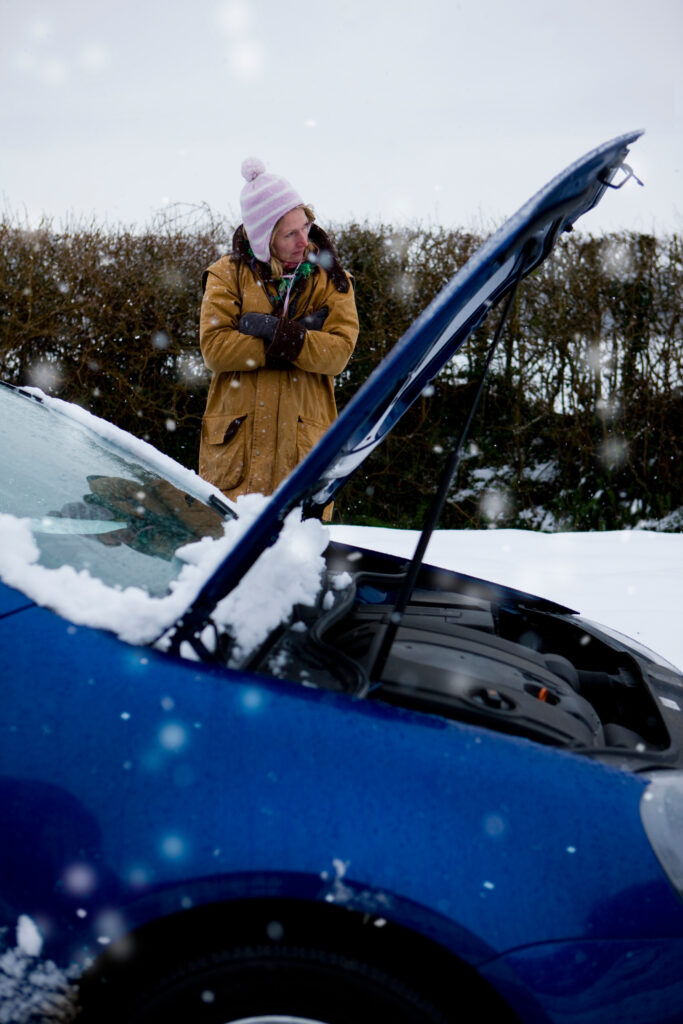
The best winter car prep includes a thorough inspection before temperatures drop. A trusted local shop can check:

- Tires
- Brakes
- Battery
- Steering and suspension
- Heating and cooling systems
- Belts and hoses
- Lights and wipers
- Fluids and filters
A full winter inspection ensures your vehicle is ready for everything from icy roads to sub-zero cold snaps.
Conclusion: Stay Safe with Smart Winter Car Prep
Minnesota winters are unpredictable, extreme, and challenging. But when your vehicle is properly prepared, you can drive confidently through snowstorms, freezing temperatures, and slippery roads. Focusing on winter car prep not only protects your vehicle but also keeps you and your family safe.
Whether you’re commuting through Wayzata, heading to work in the Western-Metro, or traveling across the Twin Cities, proper winter readiness means safer, more reliable driving all season long.
Further Reading
- AAA Winter Driving Tips
https://www.aaa.com/repair/articles/winter-driving-tips - NHTSA: Winter Driving Safety
https://www.nhtsa.gov/winter-driving - Car Care Council: Winter Maintenance Checklist
https://www.carcare.org/winter-driving-and-maintenance-tips/