The Ultimate Guide to Spotting Common Brake, Tire, and Suspension Issues: Catch Problems Early Before They Become Expensive
Your vehicle gives you more information than you might realize. Strange noises, vibration, uneven tire wear, or a “different feeling” in your steering wheel are all early warning signs that something might be wrong. The three systems that most often show subtle signals before a breakdown are your brakes, tires, and suspension. Paying attention to early warning signs not only keeps you safe but also saves you money by preventing minor issues from turning into major repairs.
This guide breaks down the most common brake, tire, and suspension problems Minnesota drivers experience and explains exactly how to spot them early. When you understand what your car is trying to tell you, you can act quickly, avoid costly surprises, and keep your vehicle operating safely year-round.
Why Early Detection Matters
Brake, tire, and suspension systems work together to keep your car stable and predictable. When something is off in one of those systems, the others begin to compensate. This creates more wear and tear, more stress, and ultimately more expensive repairs. Spotting early warning signs helps you:
- Prevent dangerous breakdowns
- Avoid uneven tire wear
- Reduce repair costs
- Extend the lifespan of major components
- Maintain better fuel efficiency
- Improve overall driving safety
Understanding symptoms early is the best way to stay in control of your vehicle’s health.
Section 1: Common Brake Issues and Their Early Warning Signs
1. Squeaking or Squealing Noises
One of the most common early warning signs is a high-pitched squeal when you press the brake pedal. Modern brake pads include wear indicators that create this sound when the pads are thinning. It’s designed to warn you before the pads wear down to unsafe levels.
2. Grinding Sounds

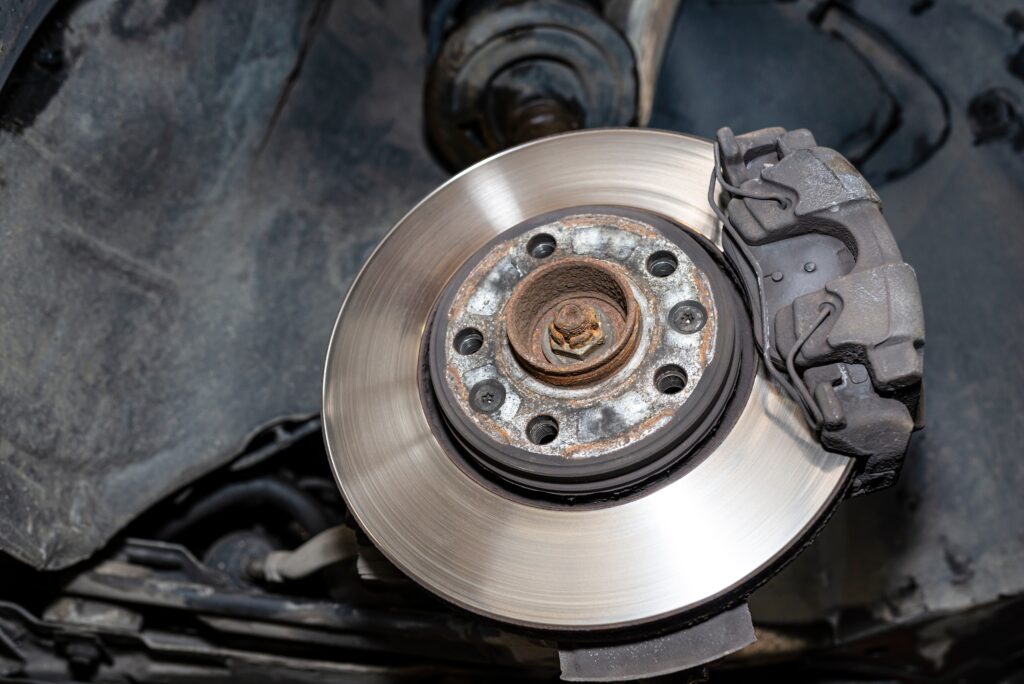
Grinding indicates the brake pads are worn down completely and the metal backing plate is digging into the rotor. This is no longer an early warning sign — it’s an emergency. Driving in this condition risks severe damage to the rotors and calipers.
3. Soft or Spongy Pedal
A soft pedal is an early warning sign that there may be air in the brake lines, low brake fluid, or failing brake components such as the master cylinder. This condition reduces stopping power and should never be ignored.
4. Pulling to One Side
If your vehicle pulls left or right when braking, you may have uneven brake wear, a frozen caliper, or a brake hose issue. Not addressing this early can cause the vehicle to become unstable during sudden stops.
5. Vibrations When Braking
Vibration or pulsation in the brake pedal usually means the rotors are warped. Catching this early can prevent the need for full rotor replacement.
6. Brake Warning Light
Any dashboard brake warning light should be treated seriously. It’s one of the most direct early warning signs that something requires immediate attention.
Keeping your brakes in good shape gives you better stopping power and keeps you safer on Minnesota’s busy roads and unpredictable winter conditions.
Section 2: Common Tire Issues and Their Early Warning Signs
Your tires are your only point of contact with the road. Tire issues develop slowly, and early detection can prevent dangerous blowouts, flats, and handling problems.
1. Uneven Tire Wear

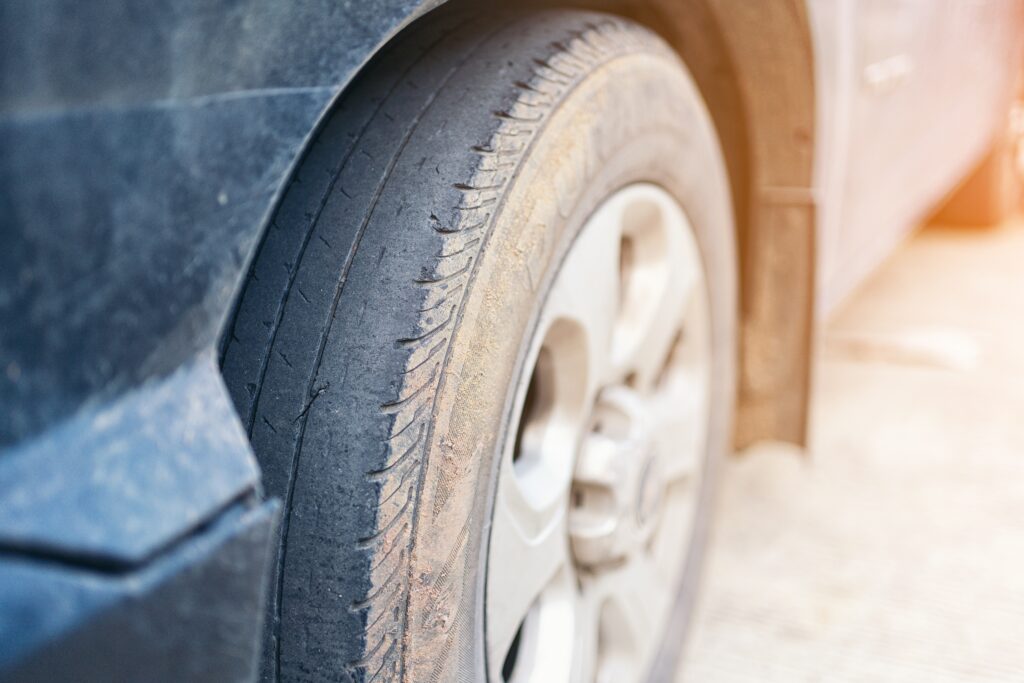
Uneven wear is a key early warning sign of alignment, suspension, or tire pressure issues. Examples include:
- Wear on the inside or outside edges
- Cupping or scalloping
- Center-only wear (overinflation)
- Edge-only wear (underinflation)
Addressing this early protects your tires and prevents unnecessary replacement.
2. Low or Rapidly Dropping Tire Pressure
A slow leak might be caused by a nail, screw, corrosion around the valve stem, or an aging tire. Low pressure impacts fuel efficiency, traction, braking, and handling.
3. Vibration at Certain Speeds
Consistent vibration around 40–60 mph is often a sign your tires are out of balance. If caught early, balancing fixes the problem and prevents long-term suspension wear.
4. Cracks, Bulges, or Blisters
Cracks indicate aging rubber. Bulges indicate internal tire damage. These are not just early warning signs — they are serious safety risks requiring immediate attention.
5. Poor Traction
If you notice slipping, slow stopping times, or struggles on wet roads, your tread depth may be too low. Poor traction is often the earliest sign your tires are nearing the end of their life.
6. Tire Noise
Whining or humming can indicate uneven wear, alignment issues, or worn wheel bearings. Listening for early warning signs can save your tires and your suspension from costly damage.
Proper tire care helps you drive safely and smoothly through the year, especially in Minnesota where seasonal temperature changes affect tire pressure and rubber flexibility.
Section 3: Common Suspension Issues and Their Early Warning Signs
Your suspension system absorbs bumps and supports the vehicle’s stability. Because suspension wear happens slowly, early warning signs are often subtle.
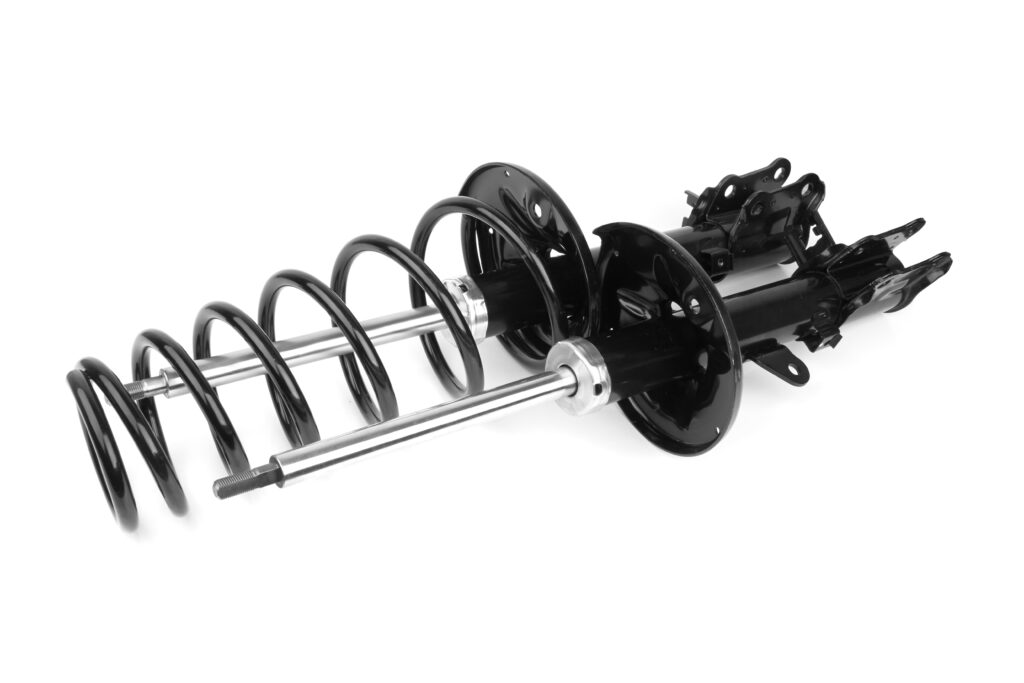
1. Excessive Bouncing
If the vehicle continues to bounce after hitting a bump, your shocks or struts may be worn. This reduces stability and increases stopping distances.
2. Drifting or Pulling When Turning
Worn suspension components can make your car feel like it’s leaning into turns. It’s an early warning sign of weakening shocks or struts.
3. Rough or Harsh Ride
If your smooth ride suddenly feels harsh or bumpy, the suspension may be wearing unevenly. This early warning sign helps avoid the damage that comes with driving on worn components.
4. Nose Diving or Squatting
If your car dips forward when braking, that’s an indication your struts or shocks need attention. Rear squatting during acceleration is another early warning sign.
5. Uneven Tire Wear
Suspension problems cause irregular tire wear patterns. If you notice these patterns early, you can fix the root cause and extend your tire lifespan.
6. Clunking or Knocking Sounds
These noises are early warning signs of failing ball joints, bushings, or control arms. These parts can fail suddenly if ignored.
7. Steering Wheel Vibration or Play
If your steering wheel feels loose or unstable, it could indicate tie rod or steering component wear. Early detection is crucial for highway safety.
Section 4: What To Do When You Notice Early Warning Signs
Paying attention to early warning signs is only helpful if you act quickly. Here’s what to do:
1. Do Not Ignore Sounds or Vibrations
Your vehicle is asking for help. Addressing issues early prevents bigger, more expensive repairs.
2. Schedule a Professional Inspection
A certified technician can pinpoint the exact cause and prevent unnecessary repairs.
3. Keep Up with Regular Maintenance
Timely brake service, tire rotations, alignments, and suspension checks ensure your car stays safe.
4. Drive Cautiously Until You’re Checked
If the vehicle pulls, vibrates, or makes noise, avoid highway speeds and sudden braking.
5. Document Symptoms
Note when noises happen, which speeds cause vibration, or how the brakes feel. This information helps technicians diagnose problems more accurately.
Section 5: Preventive Maintenance Tips
To catch early warning signs and extend the life of your brake, tire, and suspension systems:
- Rotate tires every 5,000–7,500 miles
- Get brake inspections at every oil change
- Check tire pressure monthly
- Have suspension inspected annually
- Replace shocks and struts every 50,000–100,000 miles
- Monitor tread depth regularly
- Schedule alignments anytime you hit a pothole or curb
Preventive maintenance is the most effective way to avoid costly repairs and keep your vehicle running safely.
Conclusion
Catching early warning signs in your brakes, tires, and suspension is one of the best ways to protect both your vehicle and your budget. These systems start showing subtle symptoms long before major failure, and addressing those signs early prevents unsafe driving conditions and expensive repairs. If something feels off, sounds unusual, or shows visible wear, it’s always smarter to get it checked sooner rather than later.
At Wayzata BP, our certified technicians are equipped to diagnose brake issues, inspect tire wear, evaluate suspension components, and get your vehicle back to driving safely. Whether you’re hearing a new noise, noticing vibration, or just want peace of mind, we’re here to help. Contact us today to schedule an inspection or service appointment so we can keep your vehicle running reliably on Minnesota roads.
Further Reading
National Highway Traffic Safety Administration – Brake Safety
https://www.nhtsa.gov/brake-safety-awareness
Rubber Manufacturers Association – Tire Safety
https://www.rma.org/tire-safety
AAA – Suspension & Steering Overview
https://www.aaa.com/autorepair/articles/suspension-system