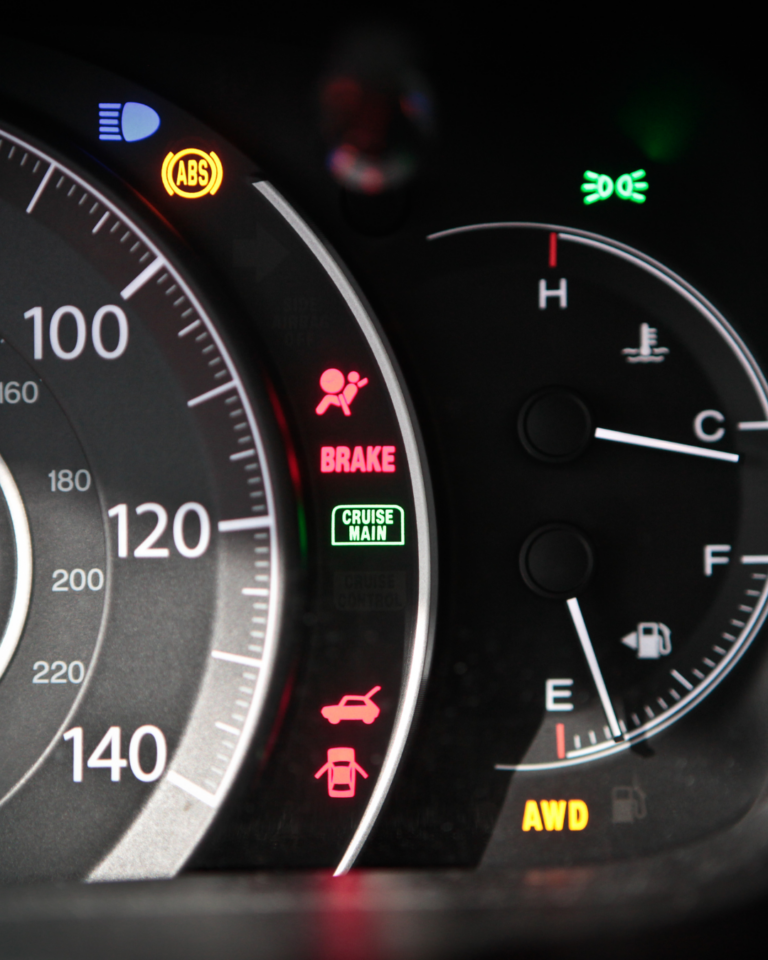
Dangerous Reasons Why Your Car Shakes When You Brake (And What to Do)
If you’ve ever felt your steering wheel vibrate or your entire vehicle shudder when slowing down, you’re not alone. Many drivers experience situations where their car shakes when braking, and while it may seem like a minor inconvenience at first, it’s often a sign of an underlying issue that shouldn’t be ignored.
Understanding why your car shakes when braking is critical for maintaining safety, preventing further damage, and avoiding costly repairs. In this guide, we’ll break down the most common causes, warning signs, and solutions so you can take action with confidence.
Why It Matters When Your Car Shakes When Braking
Your braking system is designed to provide smooth, controlled stopping power. When your car shakes when braking, it usually means something within that system is worn, damaged, or misaligned.
Ignoring this issue can lead to:
- Increased stopping distance
- Reduced control during braking
- Damage to other components
- Higher repair costs over time
Addressing the problem early helps ensure your safety and keeps your vehicle performing as it should.
Most Common Causes When Your Car Shakes When Braking
1. Warped Brake Rotors
The most common reason a car shakes when braking is warped brake rotors. Rotors are the flat metal discs that your brake pads press against to stop the vehicle.
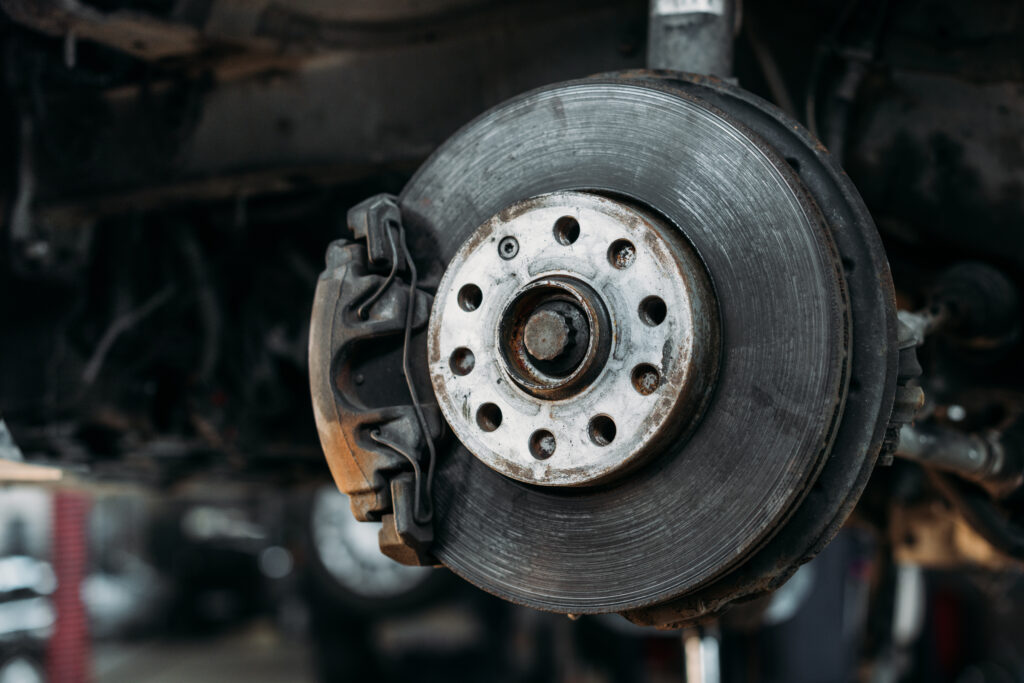
Over time, heat from braking can cause rotors to become uneven or warped.
Signs of warped rotors:
- Vibrations in the steering wheel
- Pulsation in the brake pedal
- Shaking that gets worse at higher speeds
Solution: Resurfacing or replacing the rotors typically resolves the issue.
2. Worn Brake Pads
Brake pads wear down over time and can become uneven. When this happens, they don’t make consistent contact with the rotors, leading to vibration.
Additional symptoms:
- Squealing or grinding noises
- Reduced braking performance
Solution: Replace worn brake pads to restore smooth braking.
3. Sticking Brake Calipers
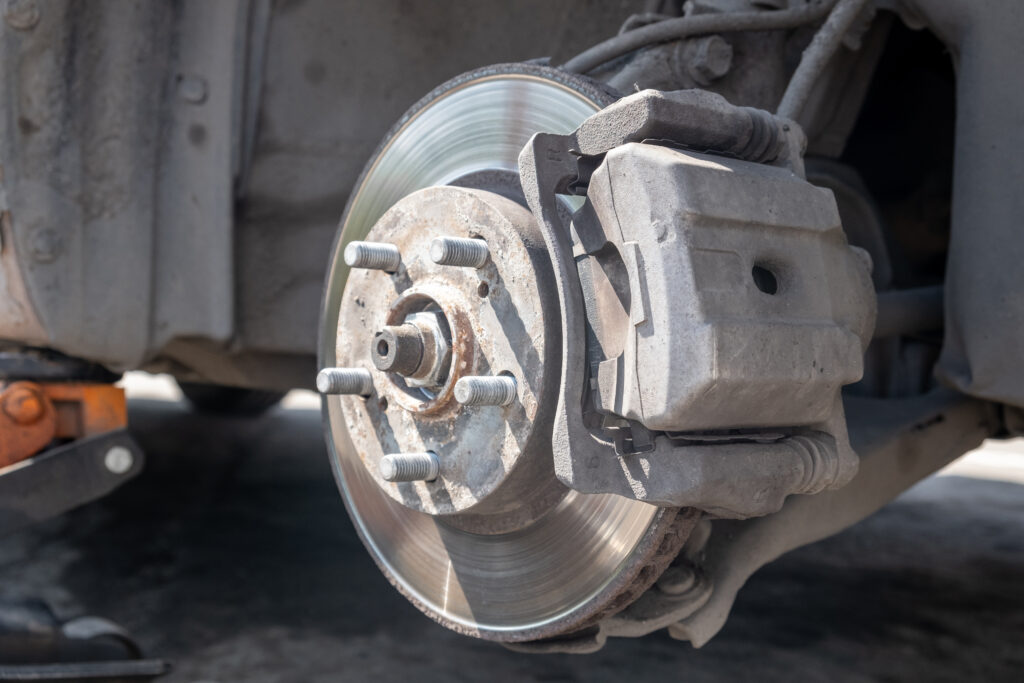
Brake calipers press the pads against the rotors. If a caliper becomes stuck, it can apply uneven pressure, causing the car to shake when braking.
Signs of caliper issues:
- Pulling to one side when braking
- Uneven brake pad wear
- Overheating in one wheel
Solution: Calipers may need cleaning, repair, or replacement.
4. Wheel Alignment Problems
Improper alignment can contribute to vibrations during braking, especially if combined with worn suspension components.
Signs include:
- Uneven tire wear
- Steering pulling to one side
- Vibration at various speeds
Solution: A professional alignment can correct the issue.
5. Suspension Issues
Your suspension system helps stabilize your vehicle. Worn components like ball joints, tie rods, or bushings can cause instability, leading to shaking when braking.
Symptoms:
- Clunking noises
- Loose steering feel
- Uneven ride quality
Solution: Inspect and replace worn suspension parts.
6. Tire Problems
Damaged or unbalanced tires can amplify vibrations when braking.
Common causes:
- Uneven tire wear
- Flat spots
- Improper balancing
Solution: Rotate, balance, or replace tires as needed.
7. Loose or Worn Wheel Bearings
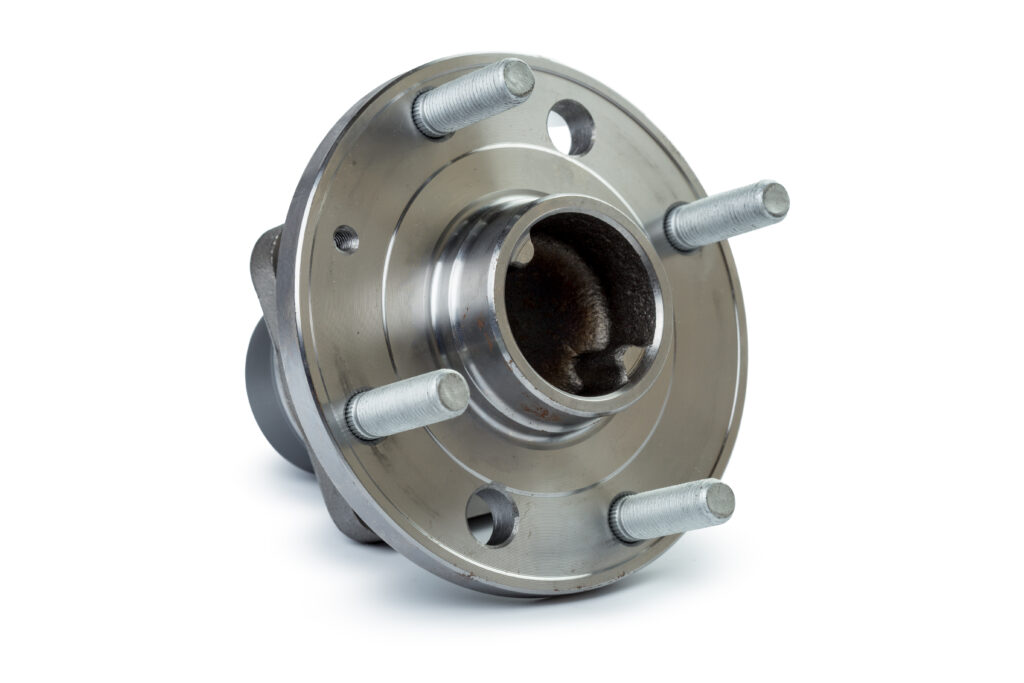
Wheel bearings allow your wheels to rotate smoothly. When they wear out, they can cause vibrations that become more noticeable when braking.
Signs:
- Humming or grinding noise
- Wheel wobble
- Increased vibration
Solution: Replace worn bearings promptly.
Warning Signs That Should Not Be Ignored
If your car shakes when braking, watch for these additional warning signs:
- Steering wheel vibration
- Pulsating brake pedal
- Grinding or squealing noises
- Vehicle pulling to one side
- Reduced braking power
These symptoms often indicate that the problem is getting worse and requires immediate attention.
Is It Safe to Drive If Your Car Shakes When Braking?
While your vehicle may still be drivable, it’s not recommended to ignore the issue. Driving with a car that shakes when braking can compromise your ability to stop safely, especially in emergency situations.
Short-term driving may be possible, but delaying repairs increases the risk of:
- Brake failure
- Damage to rotors and calipers
- Higher repair costs
If the shaking is severe or worsening, you should stop driving and have your vehicle inspected immediately.
How to Prevent Shaking When Braking
Preventative maintenance can reduce the likelihood of experiencing issues where your car shakes when braking.
Key tips:
- Replace brake pads at recommended intervals
- Avoid aggressive braking when possible
- Have your rotors inspected regularly
- Keep tires balanced and properly inflated
- Schedule routine brake inspections
Taking care of your braking system ensures smooth performance and long-term reliability.
The Importance of Professional Brake Inspections
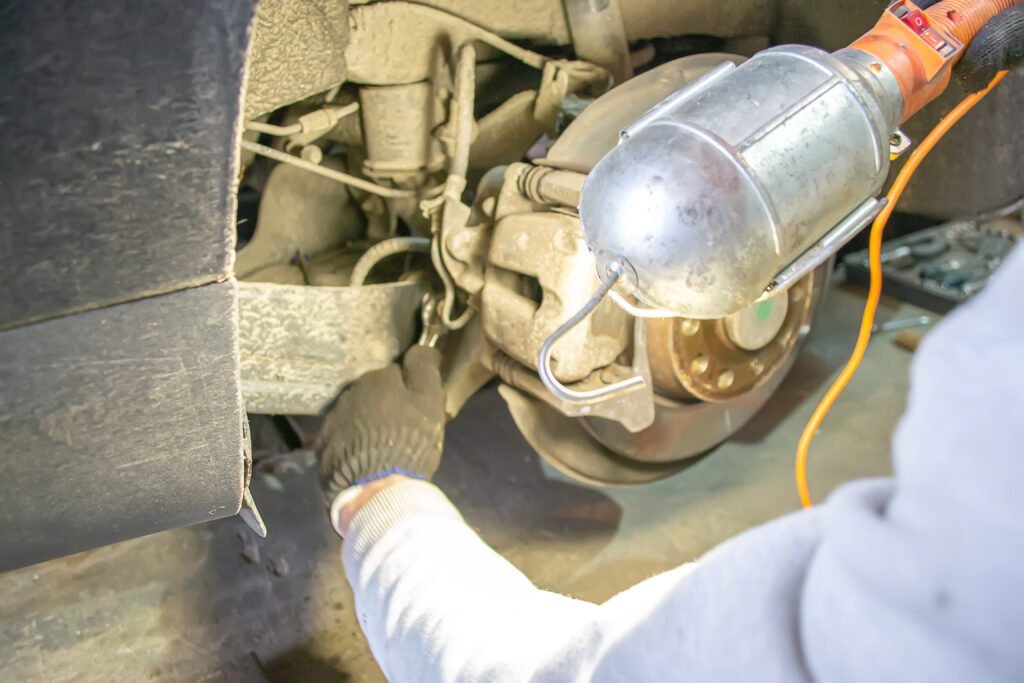
While some causes of vibration are easy to identify, others require professional diagnostics. A trained technician can:
- Inspect brake components for wear
- Measure rotor thickness and condition
- Check calipers and hydraulic systems
- Evaluate suspension and alignment
Regular inspections help catch problems early and keep your vehicle safe.
Conclusion
If your car shakes when braking, it’s a clear sign that something isn’t working properly. Whether it’s warped rotors, worn brake pads, or suspension issues, addressing the problem early can prevent more serious damage and ensure your safety on the road.
Don’t wait for the issue to get worse. You can take action today by scheduling a professional inspection with us here. Our experienced technicians can diagnose the cause of why your car shakes when braking and provide the necessary repairs to restore smooth, safe braking performance.
For additional services, including brake repair, tire maintenance, and full vehicle inspections, visit https://www.wayzatabp.com/services/. Staying proactive with maintenance will help keep your vehicle running reliably and safely in all driving conditions.