As the leaves turn and temperatures drop, fall is the perfect time to prepare your vehicle for the colder months ahead. Taking proactive steps through proper fall maintenance can prevent costly repairs, improve safety, and extend the life of your car. At Wayzata BP, we understand the challenges Minnesota drivers face during seasonal transitions, and we’ve created this comprehensive guide to ensure your vehicle is ready for fall and winter driving.
Why Fall Maintenance Matters
Fall maintenance is more than just a seasonal checklist—it’s an investment in the longevity of your vehicle. Changes in temperature, increased rainfall, and the eventual onset of snow and ice can put stress on critical vehicle systems. Without proper attention, minor issues can quickly become major problems, leading to expensive repairs and reduced performance.
By performing fall maintenance, you ensure your car’s engine, brakes, tires, and other systems are operating efficiently, which not only enhances safety but also maximizes fuel economy and preserves vehicle value.
Essential Fall Maintenance Tasks
Below are the most important tasks to include in your fall maintenance routine to keep your vehicle in top condition.
1. Inspect Tires and Check Tread
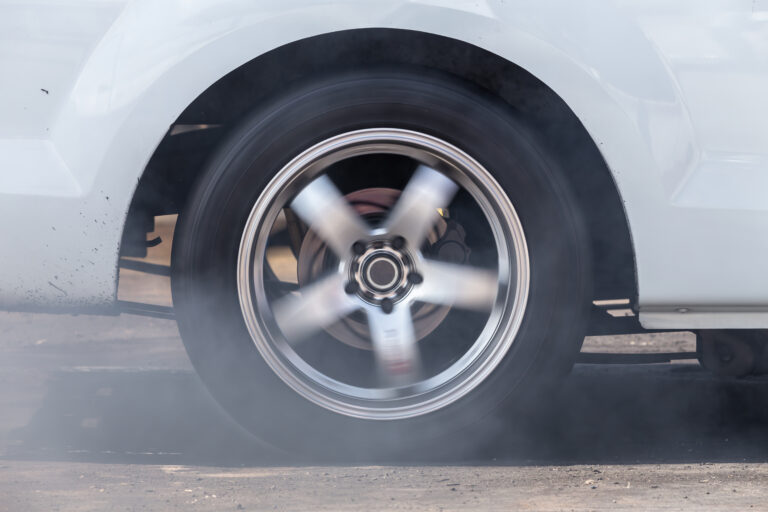
Tires are your vehicle’s only point of contact with the road, making them critical for safety, especially in wet and icy fall conditions.
- Tread Depth: Ensure your tires have sufficient tread depth to handle slick leaves and rainy roads. Use a tread depth gauge or the penny test to measure.
- Tire Pressure: Cold weather can reduce tire pressure, so check and adjust it according to the manufacturer’s recommendations.
- Rotation and Alignment: Consider tire rotation and wheel alignment during fall maintenance to ensure even wear and prolong tire life.
2. Check Brakes
Brakes are another key component affected by fall driving conditions. Leaves, rain, and early snow can reduce traction, making properly functioning brakes essential.
- Inspect brake pads and rotors for wear.
- Listen for squeaking or grinding noises, which indicate potential brake problems.
- Test brake responsiveness and address any unusual vibrations immediately.
3. Replace or Inspect Fluids
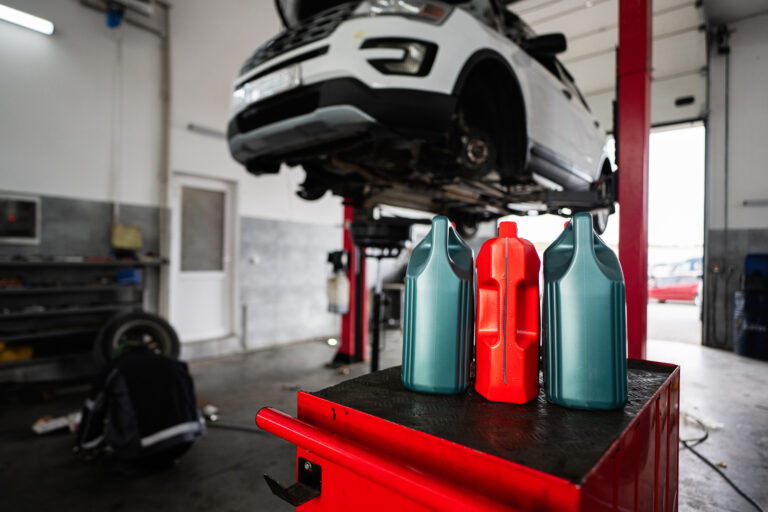
Fluids are the lifeblood of your vehicle, and fall maintenance should include a thorough inspection and replacement if necessary.
- Engine Oil: Cooler temperatures can affect oil viscosity. Consider an oil change or switch to a winter-grade oil if recommended by your vehicle manufacturer.
- Coolant/Antifreeze: Check levels and ensure the coolant mixture is appropriate for Minnesota winters to prevent freezing.
- Brake Fluid: Old or contaminated brake fluid can reduce braking efficiency. Flush if necessary.
- Windshield Washer Fluid: Replace with a winter-grade solution to prevent freezing.
4. Inspect the Battery
Batteries are more likely to fail in colder temperatures. Fall maintenance should include:
- Checking the battery charge and voltage.
- Inspecting terminals for corrosion and cleaning if necessary.
- Replacing a battery that is older than three to five years or shows signs of weakness.
5. Test Lights and Electrical Systems
Shorter days and poor weather increase reliance on vehicle lights. During fall maintenance:
- Inspect headlights, brake lights, turn signals, and interior lights.
- Replace any burnt-out bulbs and ensure lenses are clean for maximum visibility.
- Test your wipers and defroster to ensure clear visibility during rain or frost.
6. Examine Belts and Hoses
Engine belts and hoses are prone to cracking or leaks as temperatures fluctuate. Fall maintenance should include:
- Checking belts for wear, fraying, or cracks.
- Inspecting hoses for leaks or soft spots.
- Replacing worn belts or hoses before they fail in cold weather.
7. Check the Heating System
A functioning heating system is critical not only for comfort but also for safety in fall and winter:
- Test the heater and defroster to ensure they work properly.
- Listen for unusual noises in the blower motor.
- Inspect vents for blockages or buildup of debris.
8. Inspect Wipers and Windshield
Rain, frost, and falling leaves can obscure visibility, making this an essential part of fall maintenance:
- Replace worn wiper blades to ensure streak-free performance.
- Clean the windshield and check for cracks or chips that could worsen in cold weather.
- Keep the windshield washer reservoir filled with appropriate fluid.
9. Prepare Emergency Supplies
Fall maintenance isn’t only about mechanical checks; it’s also about preparedness:
- Stock a basic emergency kit including a flashlight, jumper cables, blanket, first-aid kit, and non-perishable snacks.
- Consider including sand or cat litter for traction in icy conditions.
- Keep phone chargers and essential tools accessible in case of breakdowns.
Tips to Extend Vehicle Life Beyond Fall
Proper fall maintenance is one part of keeping your vehicle running longer. Additional practices that contribute to vehicle longevity include:
- Regular Scheduled Maintenance: Follow your manufacturer’s recommended service intervals for oil changes, transmission checks, and fluid replacements.
- Gentle Driving Habits: Avoid harsh acceleration, abrupt braking, and excessive idling.
- Keep Your Car Clean: Regular washing removes salt and debris, which can cause rust.
- Store Your Vehicle Properly: If parking outside, consider a cover to protect from leaves, rain, and frost.
Why Fall Maintenance Can Save You Money
Neglecting fall maintenance can lead to serious mechanical issues that are expensive to repair. Addressing small problems during fall maintenance can prevent:
- Engine damage from dirty oil or low fluids.
- Brake system failure due to worn pads or fluid contamination.
- Tire replacement due to uneven wear or underinflation.
- Battery failure during cold starts.
By investing time and effort into fall maintenance, you can avoid costly repairs and keep your vehicle running efficiently for years.
How Wayzata BP Helps with Fall Maintenance
At Wayzata BP, we provide comprehensive fall maintenance services to keep your vehicle safe and reliable. Our certified technicians can:
- Perform fluid checks and oil changes.
- Inspect brakes, tires, belts, and hoses.
- Test batteries and electrical systems.
- Replace wiper blades and perform seasonal inspections.
With convenient service in Wayzata, Minnesota, our team ensures your vehicle is ready for whatever the season brings.
Fall Maintenance Checklist
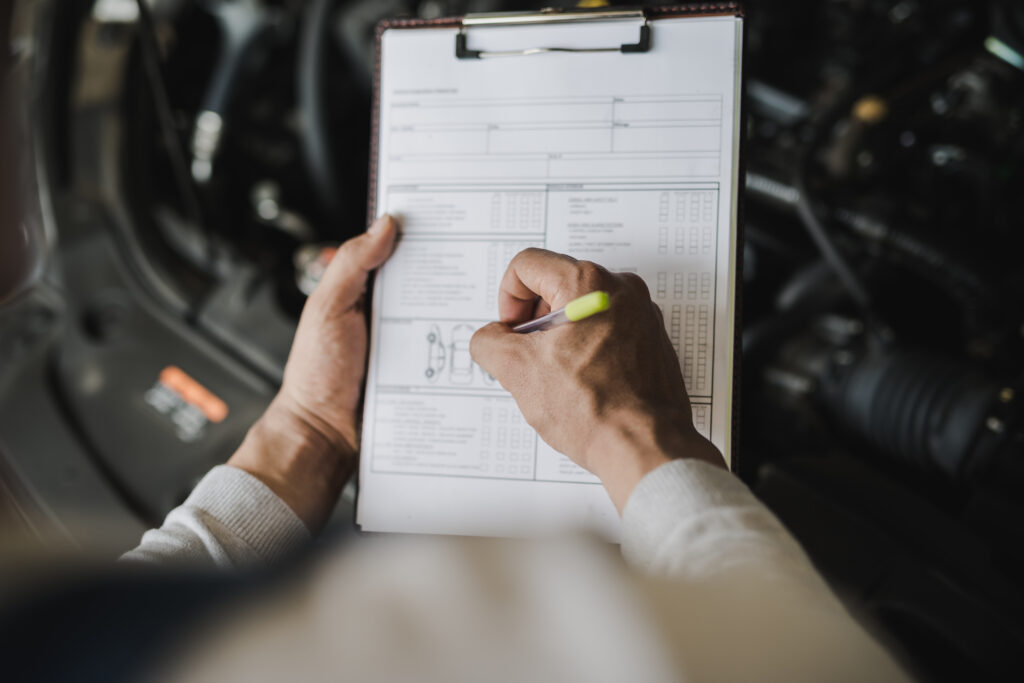
To make it simple, here’s a quick checklist to follow during fall maintenance:
- Check tire tread depth and pressure
- Inspect brakes and brake fluid
- Change or top off engine oil
- Verify coolant/antifreeze levels
- Test battery and clean terminals
- Inspect belts and hoses for wear
- Test lights, wipers, and heating system
- Replace windshield washer fluid with winter-grade solution
- Stock an emergency kit
Completing this checklist will help you avoid unexpected breakdowns and prepare your car for winter driving conditions.
Conclusion
Fall maintenance is essential to ensure your vehicle remains safe, efficient, and reliable during the colder months. By inspecting tires, brakes, fluids, battery, and other critical systems, you can prevent costly repairs and extend the life of your vehicle. Minnesota drivers can rely on Wayzata BP to provide expert fall maintenance services that protect your investment and give you peace of mind on the road.
Taking the time now to perform fall maintenance will pay dividends throughout the winter and beyond, keeping your vehicle running smoothly and safely for years to come. Click here to schedule your service here.