Urgent Reasons Why Your Car Is Overheating and What You Must Do
Few vehicle problems are as stressful—or potentially damaging—as car overheating. When your engine temperature rises too high, it can lead to serious mechanical issues, costly repairs, and even complete engine failure if ignored. Understanding the causes of car overheating and knowing how to respond can save you time, money, and frustration.
In this guide, we’ll break down the most common reasons for car overheating, warning signs to watch for, and what steps you should take if your vehicle starts running too hot.
Why Car Overheating Is a Serious Problem
Your engine operates at high temperatures, but it is designed to stay within a specific range. The cooling system regulates this temperature using coolant, airflow, and various components working together.
When car overheating occurs, it means your cooling system is no longer maintaining safe operating temperatures. If left unchecked, overheating can cause:
- Warped cylinder heads
- Blown head gaskets
- Cracked engine blocks
- Complete engine failure
Even a single overheating event can cause long-term damage, which is why immediate attention is critical.
Common Causes of Car Overheating
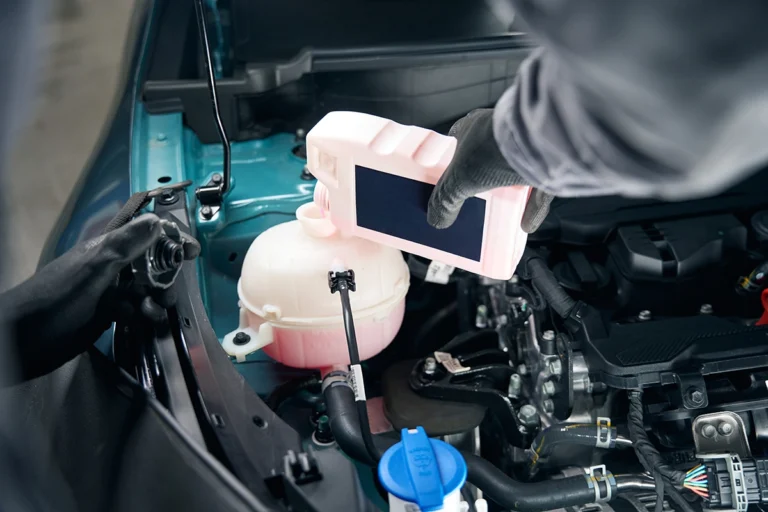
1. Low Coolant Levels
One of the most common reasons for car overheating is low coolant. Coolant absorbs heat from the engine and carries it away through the radiator.

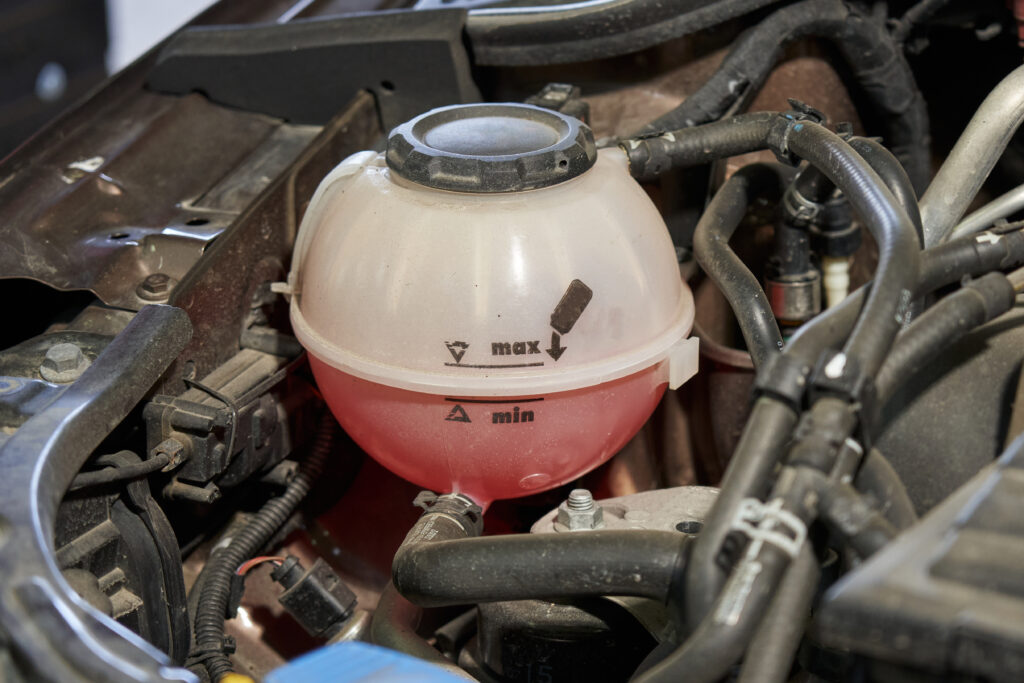
Causes of low coolant include:
- Leaks in hoses or the radiator
- Evaporation over time
- Improper maintenance
What to do: Check your coolant level regularly and top it off if needed. If levels drop quickly, have your system inspected for leaks.
2. Radiator Problems
The radiator plays a key role in cooling your engine. If it becomes clogged or damaged, it can’t effectively dissipate heat.
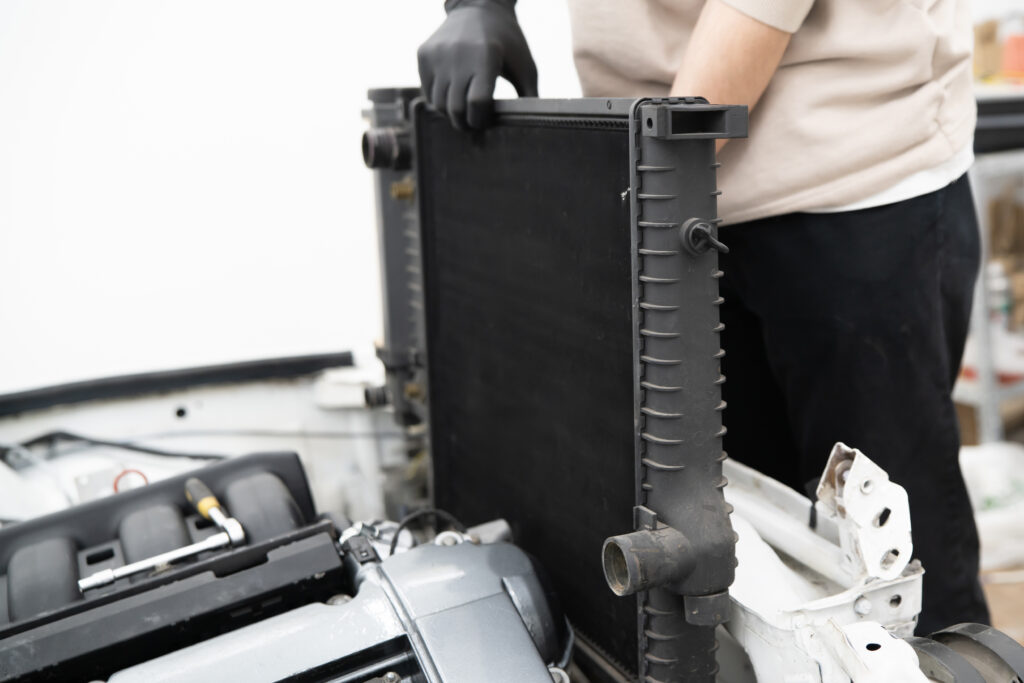
Common radiator issues:
- Dirt and debris blocking airflow
- Internal corrosion
- Leaks
What to do: Keep the radiator clean and have it flushed periodically to prevent buildup.
3. Faulty Thermostat
The thermostat regulates coolant flow through the engine. If it gets stuck closed, coolant cannot circulate, leading to car overheating.
Symptoms of a bad thermostat:
- Rapid temperature increase
- Fluctuating temperature gauge
What to do: A faulty thermostat should be replaced promptly to restore proper cooling.
4. Water Pump Failure
The water pump circulates coolant throughout the engine. If it fails, coolant stops moving, and heat builds up quickly.
Signs of water pump issues:
- Coolant leaks near the front of the engine
- Whining or grinding noises
- Overheating at higher speeds
What to do: Water pump failure requires immediate repair to prevent engine damage.
5. Cooling Fan Issues
Cooling fans help regulate temperature, especially when the vehicle is idling or moving slowly. If the fan isn’t working, heat can build up quickly.

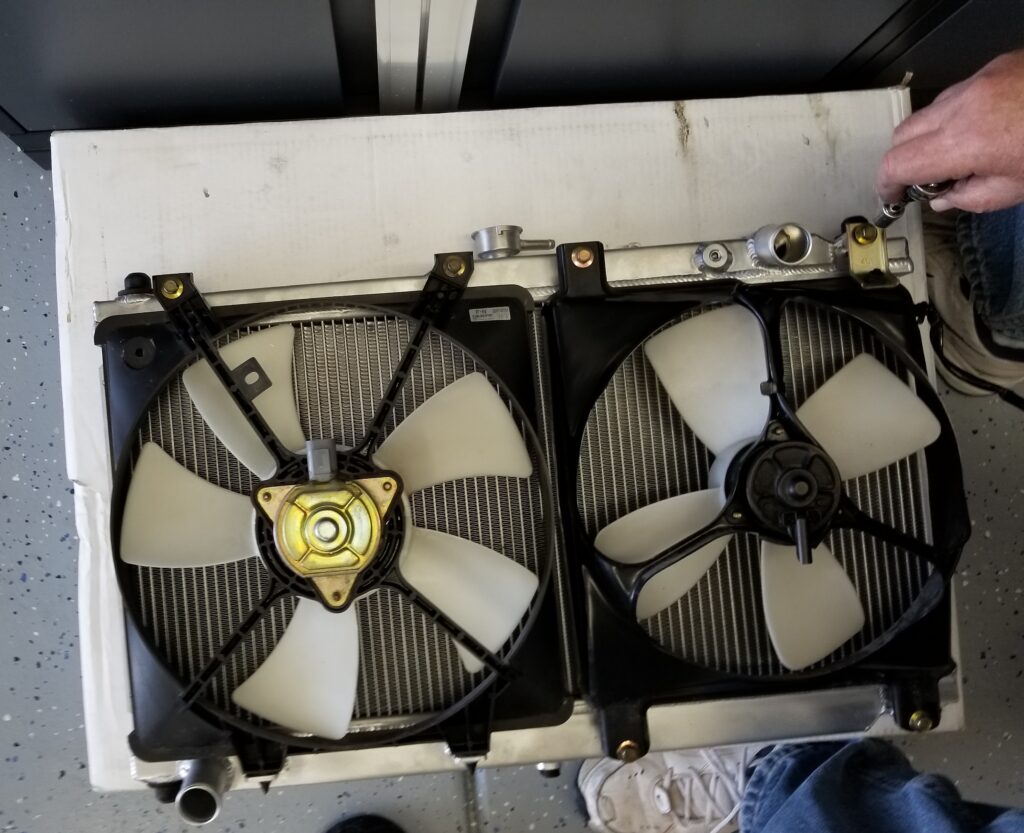
Common causes:
- Electrical problems
- Blown fuses
- Faulty fan motor
What to do: Have a technician inspect the fan system if your car overheats in traffic or at low speeds.
6. Broken or Leaking Hoses
Hoses carry coolant between components. If they crack or leak, coolant can escape, causing car overheating.
What to do: Inspect hoses for cracks, bulges, or leaks and replace them as needed.
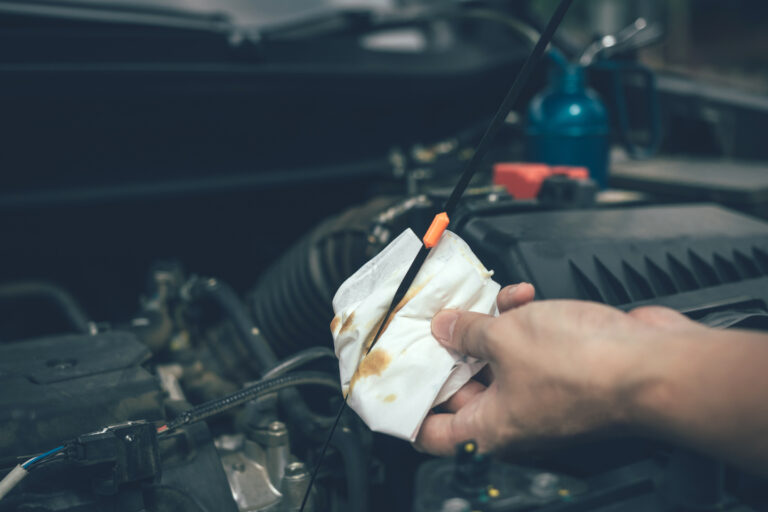
7. Low Engine Oil
Engine oil helps reduce friction and heat. Low oil levels can contribute to increased engine temperatures.
What to do: Regularly check your oil and keep it at the proper level.
Warning Signs of Car Overheating
Recognizing early signs of car overheating can help prevent major damage:
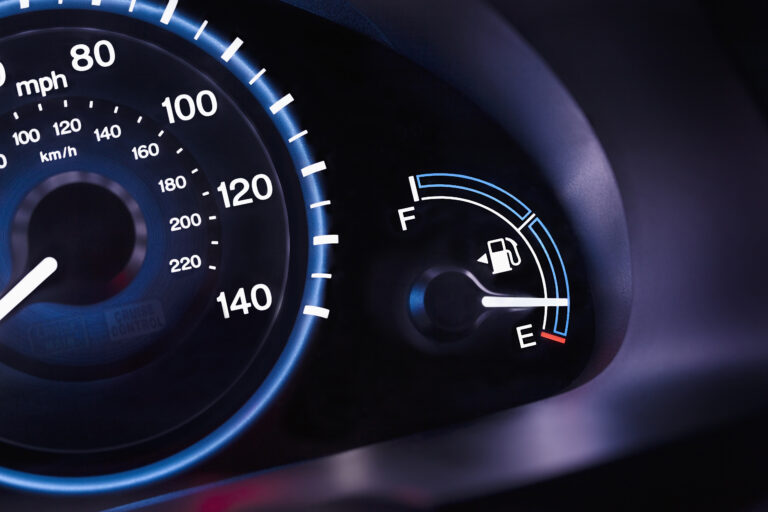
- Temperature gauge rising into the red zone
- Steam coming from under the hood
- Burning smell
- Reduced engine performance
- Warning lights on the dashboard
If you notice any of these signs, take action immediately.
What to Do If Your Car Is Overheating
If car overheating occurs while driving:
- Turn off the air conditioning to reduce engine load
- Turn on the heater to draw heat away from the engine
- Pull over safely as soon as possible
- Turn off the engine and allow it to cool
- Check coolant levels once the engine is cool
Never open the radiator cap while the engine is hot, as this can cause serious burns.
How to Prevent Car Overheating
Preventative maintenance is the best way to avoid overheating issues.

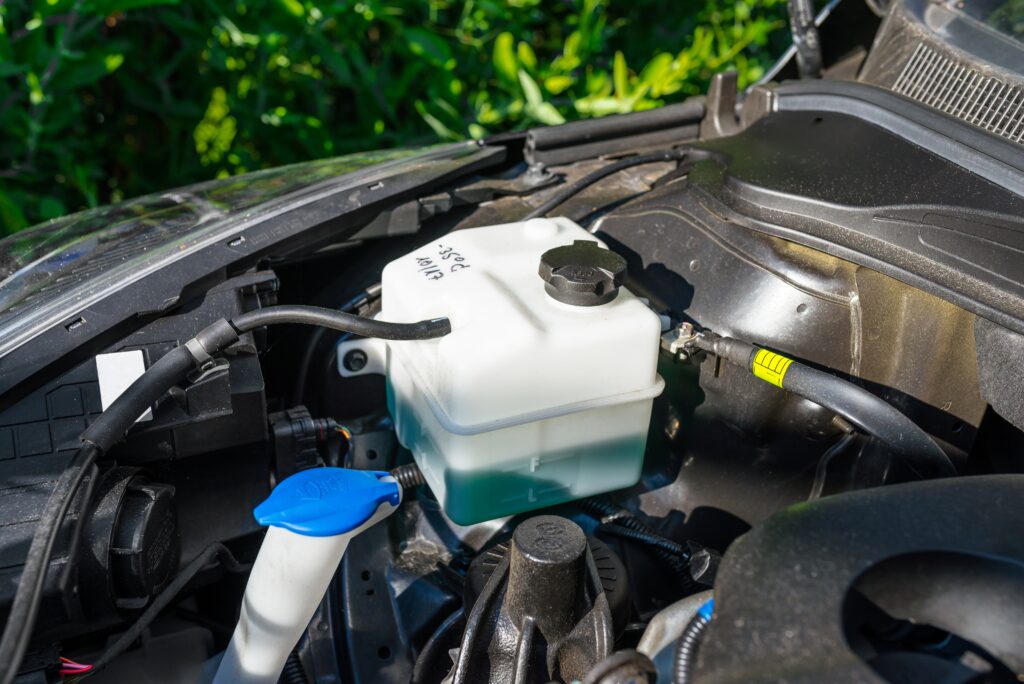
Regular Maintenance Tips:
- Check coolant levels regularly
- Schedule routine cooling system inspections
- Replace worn hoses and belts
- Flush the radiator as recommended
- Keep up with oil changes
Staying proactive reduces the risk of car overheating and extends the life of your engine.
How Weather Affects Car Overheating
Extreme temperatures can increase the likelihood of car overheating.
Summer:
- High outside temperatures strain the cooling system
- Heavy traffic increases engine heat
Winter:
- Low coolant levels or improper mixtures can still cause overheating
- Frozen coolant can block flow
Drivers in Minnesota should be especially mindful of seasonal changes and maintain their cooling systems year-round.
When to Seek Professional Help
You should have your vehicle inspected immediately if:
- Overheating happens repeatedly
- Coolant leaks are visible
- The temperature gauge spikes quickly
- You notice unusual noises or smells
A professional inspection can identify the root cause and prevent further damage.
Conclusion
Car overheating is not something to ignore. Understanding the causes and recognizing the warning signs can help you take quick action and avoid costly repairs. Whether it’s low coolant, a faulty thermostat, or a failing water pump, addressing issues early is the key to keeping your vehicle running safely and efficiently.
If you’re experiencing car overheating or want to prevent future issues, it’s important to have your vehicle inspected by professionals. You can take the next step by scheduling service with us here. Our experienced technicians can diagnose cooling system problems, perform necessary repairs, and ensure your vehicle stays reliable in all driving conditions.
You can also explore our full range of services at https://www.wayzatabp.com/services/ to keep your car in peak condition year-round. Taking care of car overheating issues early will protect your engine and give you peace of mind on the road.
Further Reading
- https://www.nhtsa.gov/road-safety/vehicle-overheating
- https://www.edmunds.com/car-maintenance/what-to-do-if-your-car-overheats.html
- https://www.consumerreports.org/cars/car-maintenance/what-to-do-if-your-car-overheats-a4047654321/
- https://www.cars.com/articles/what-causes-a-car-to-overheat-1420663047713/