Critical Brake Warning Signs Every Driver Must Know
Your vehicle’s brakes are one of the most essential safety features, yet many drivers overlook the signs that something may be wrong. Recognizing brake warning signs early can prevent accidents, costly repairs, and potential engine damage caused by related issues.
In this guide, we’ll explore the most common brake warning signs, explain what they mean, and provide practical tips for keeping your braking system in top condition.
Why Brake Maintenance Is Vital
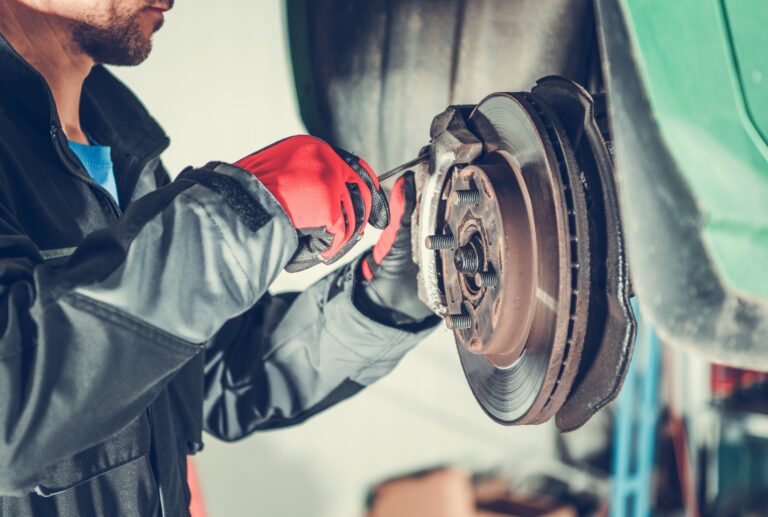
Brakes are more than just metal pads and rotors—they are a complex system that includes:
- Brake pads and shoes
- Rotors and drums
- Brake fluid
- Master cylinder and brake lines
- Anti-lock braking system (ABS) sensors
Each component plays a crucial role in stopping your car safely. Failing to address brake warning signs promptly can compromise your safety and lead to expensive repairs.
Common Brake Warning Signs and What They Mean

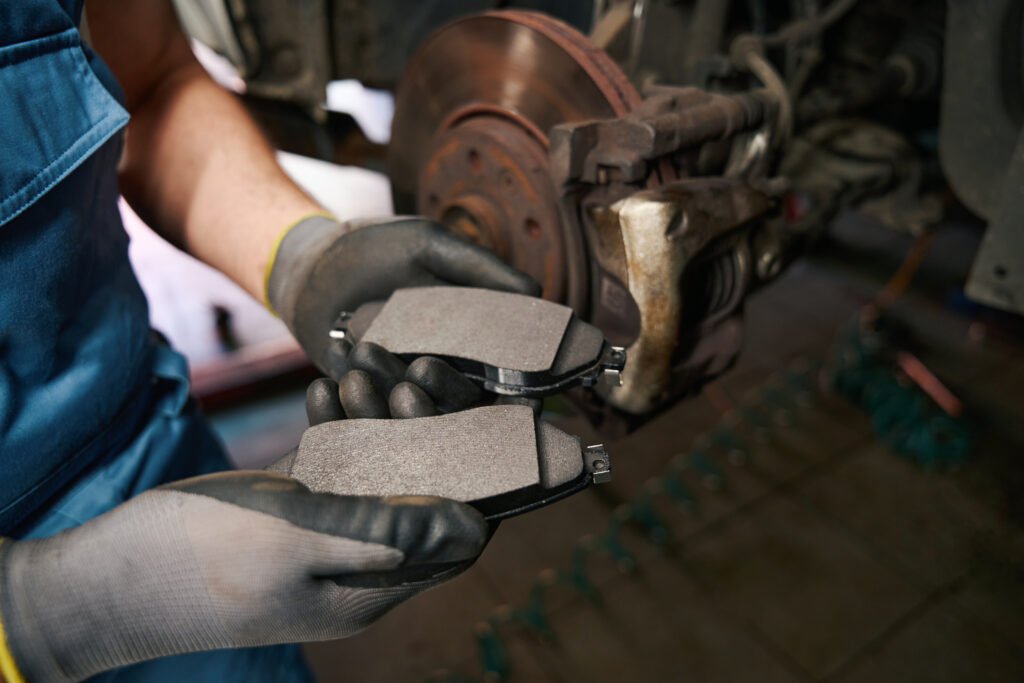
1. Squealing or Screeching Noises
One of the most obvious brake warning signs is a high-pitched squeal when braking. This usually indicates worn brake pads. Many pads have built-in indicators that produce noise to alert drivers before the pads are completely worn down.
Action: Schedule a brake inspection as soon as you hear persistent squealing. Ignoring this warning can damage rotors and increase repair costs.
2. Grinding Sounds
Grinding noises are a more serious brake warning sign. This often means the brake pads are worn completely, and the metal backing is contacting the rotors.
Action: Stop driving if you hear grinding and have the brakes serviced immediately to avoid rotor damage.
3. Soft or Spongy Brake Pedal
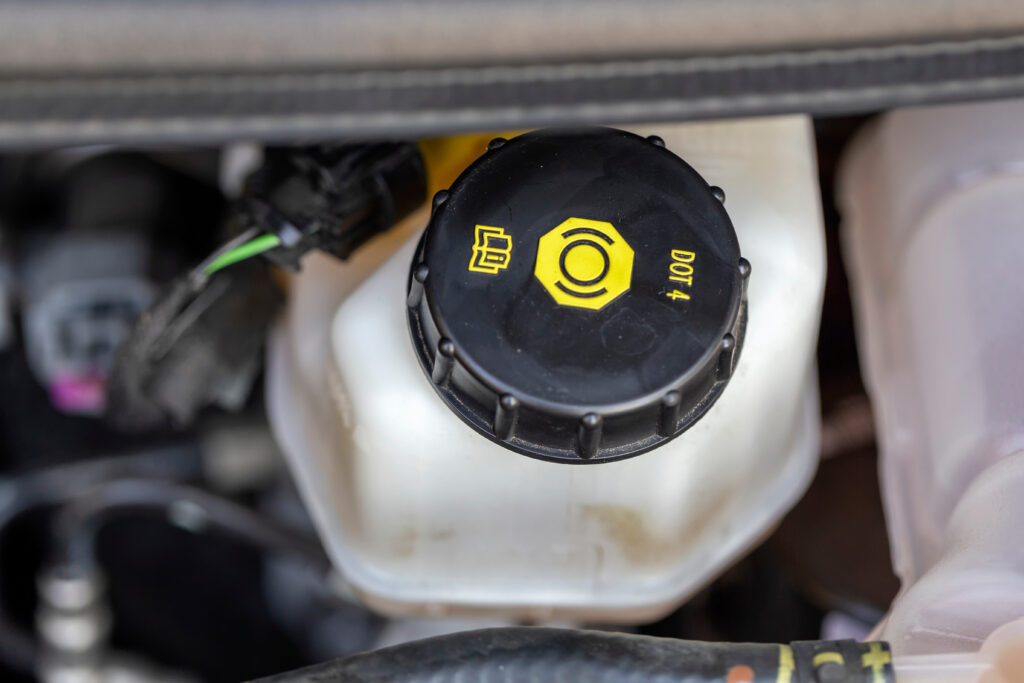
If your brake pedal feels soft, spongy, or sinks to the floor, it could indicate a problem with the hydraulic system, such as air in the brake lines or low brake fluid.
Action: Check the brake fluid level and schedule professional service to inspect for leaks or worn components.
4. Brake Pedal Vibrations
A vibrating brake pedal when applying pressure is a brake warning sign often caused by warped rotors. Uneven wear or overheating can lead to rotor warping.
Action: Have your brakes checked and rotors resurfaced or replaced if necessary.
5. Warning Lights on the Dashboard
Modern vehicles are equipped with ABS and brake warning lights. If a brake warning light illuminates, it may indicate:
- Low brake fluid
- ABS system malfunction
- Parking brake engaged
Action: Never ignore a dashboard brake warning light. Consult your vehicle’s manual and have a professional inspect your system.
6. Pulling to One Side While Braking
If your vehicle pulls to one side when you brake, it could indicate:
- Uneven brake pad wear
- Sticking caliper
- Fluid leaks
Action: Have the brake system inspected immediately to prevent unsafe handling.
7. Burning Smell
A sharp, chemical, or burning smell after heavy braking can indicate overheated brakes or a stuck caliper.
Action: Pull over safely, allow brakes to cool, and have a professional evaluate the system. Continuing to drive can damage components and reduce braking efficiency.
8. Increased Stopping Distance
If your vehicle takes longer to stop than usual, this is a serious brake warning sign. Causes may include worn pads, air in the lines, or contaminated brake fluid.
Action: Address the problem immediately. Brakes that do not perform properly can lead to accidents.
9. Leaking Fluids
Brake fluid leaks are a critical brake warning sign. Fluid may appear near the wheels or under the car, and can lead to brake failure if ignored.
Action: Have your vehicle inspected immediately. Never drive with a leak in the brake system.
How to Maintain Your Brakes Between Services

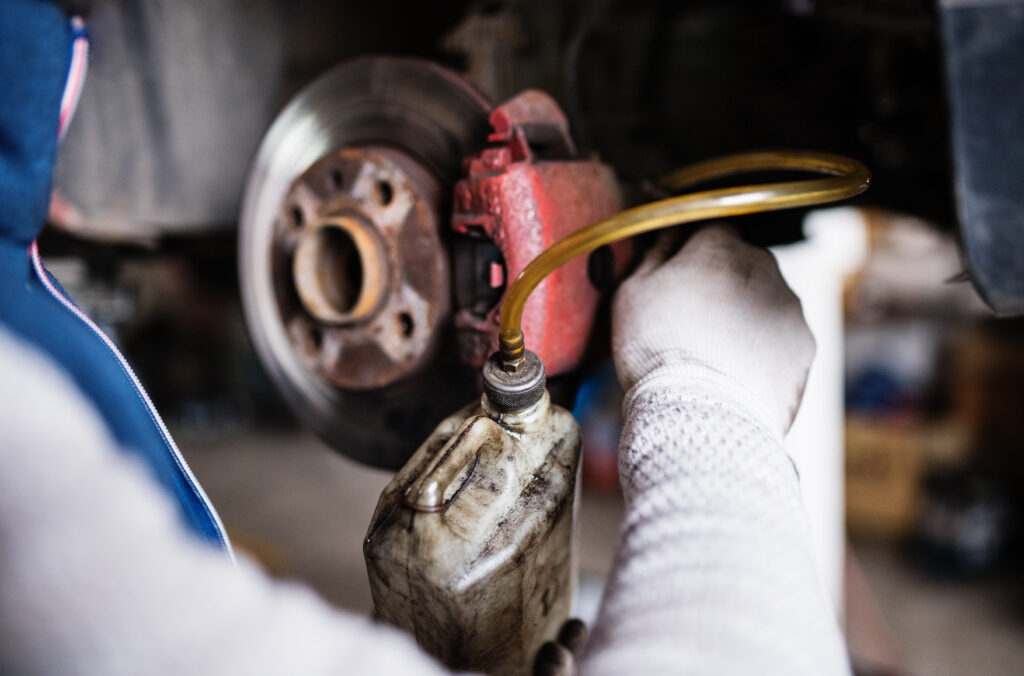
Proper maintenance can prevent many of the brake warning signs described above:
- Regular Brake Inspections: Check pads, rotors, and fluid at least every 6 months.
- Monitor Brake Fluid Levels: Top off as needed and replace according to manufacturer recommendations.
- Avoid Harsh Braking: Smooth braking reduces wear on pads and rotors.
- Listen for Unusual Noises: Squeals and grinding are early warning signs.
- Schedule Routine Service: Let professionals inspect calipers, lines, and ABS sensors during regular maintenance.
Conclusion
Brake warning signs should never be ignored. Paying attention to noises, pedal feel, dashboard lights, and vehicle behavior can save you from costly repairs and keep you safe on the road. Recognizing these signs early allows you to take action before a minor issue becomes a major safety concern.
To ensure your braking system is in optimal condition, schedule a service appointment with Wayzata BP here. Our skilled technicians provide comprehensive brake inspections, pad and rotor replacements, fluid checks, and ABS system diagnostics to keep your vehicle safe and reliable.
Further Reading
- https://www.edmunds.com/car-maintenance/signs-your-brakes-need-attention.html
- https://www.nhtsa.gov/vehicle/vehicle-safety-brakes
- https://www.consumerreports.org/car-maintenance/how-to-tell-if-your-brakes-need-repair-a1124567890/
- https://www.cars.com/articles/10-signs-your-brakes-need-attention-1420687474280/