Your vehicle’s cooling system plays a critical role in keeping your engine running efficiently and preventing costly repairs. A well-maintained cooling system ensures that your engine operates at the optimal temperature, protects against overheating, and prolongs the life of your car. Unfortunately, many drivers overlook basic maintenance tasks that could extend the life of their cooling system.
In this guide, we’ll cover why the cooling system is so important, common issues that can shorten its lifespan, and practical tips on how to extend the life of your vehicle’s cooling system.
Why Your Vehicle’s Cooling System Matters
The cooling system is responsible for regulating engine temperature, transferring heat away from the engine, and preventing overheating. Without it, engine components can warp, seize, or fail prematurely. Key parts of the cooling system include:
- Radiator – transfers heat from the engine coolant to the air.
- Water Pump – circulates coolant through the engine and radiator.
- Thermostat – regulates the flow of coolant based on engine temperature.
- Coolant (Antifreeze) – absorbs and transfers heat while preventing corrosion.
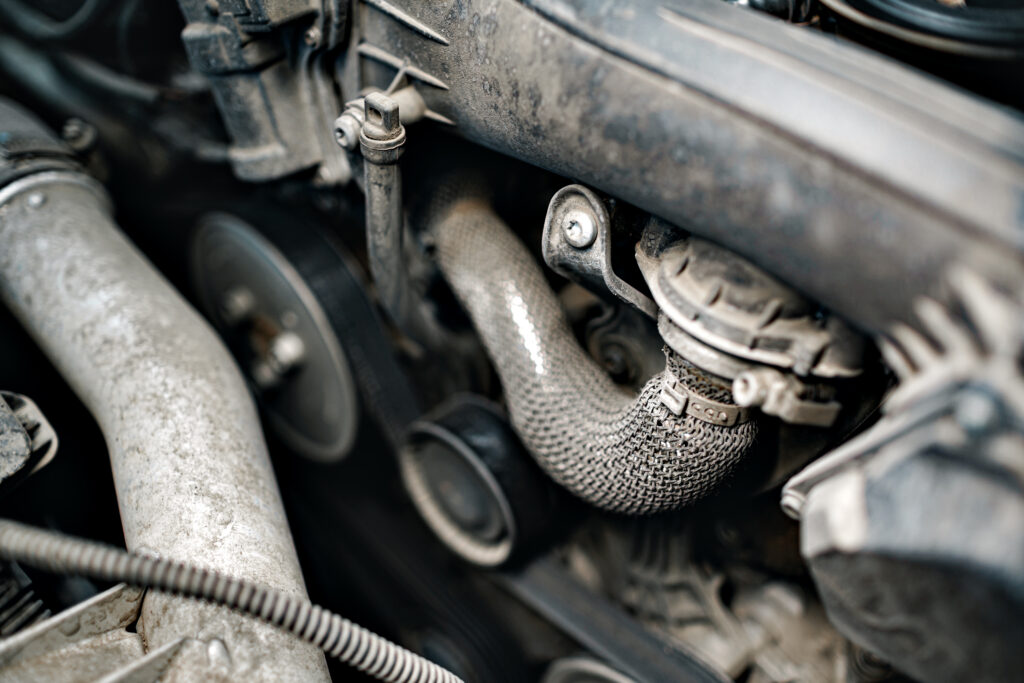
- Hoses and Belts – transport coolant between components and maintain system integrity.
A failure in any of these components can lead to engine overheating and significant repair costs. That’s why knowing how to extend the life of your vehicle’s cooling system is essential for long-term vehicle reliability.
Signs Your Cooling System May Be Failing
Before diving into preventative tips, it’s important to recognize warning signs of a weakening cooling system:
- Engine Overheating – The most obvious sign that your cooling system isn’t functioning properly.
- Coolant Leaks – Puddles or drops under your car indicate leaks in hoses, the radiator, or connections.
- Unusual Noises – Grinding or whining sounds from the water pump can signal impending failure.
- Temperature Fluctuations – Sudden changes in the temperature gauge may indicate a thermostat or coolant issue.
- Steam or Smell of Coolant – Visible steam or a sweet smell indicates coolant leakage or overheating.
If you notice any of these signs, it’s important to have your cooling system inspected promptly to avoid further damage.
Top Tips to Extend the Life of Your Vehicle’s Cooling System
Here are expert tips to help drivers extend the life of their vehicle’s cooling system and avoid unexpected breakdowns:
1. Regularly Check Coolant Levels
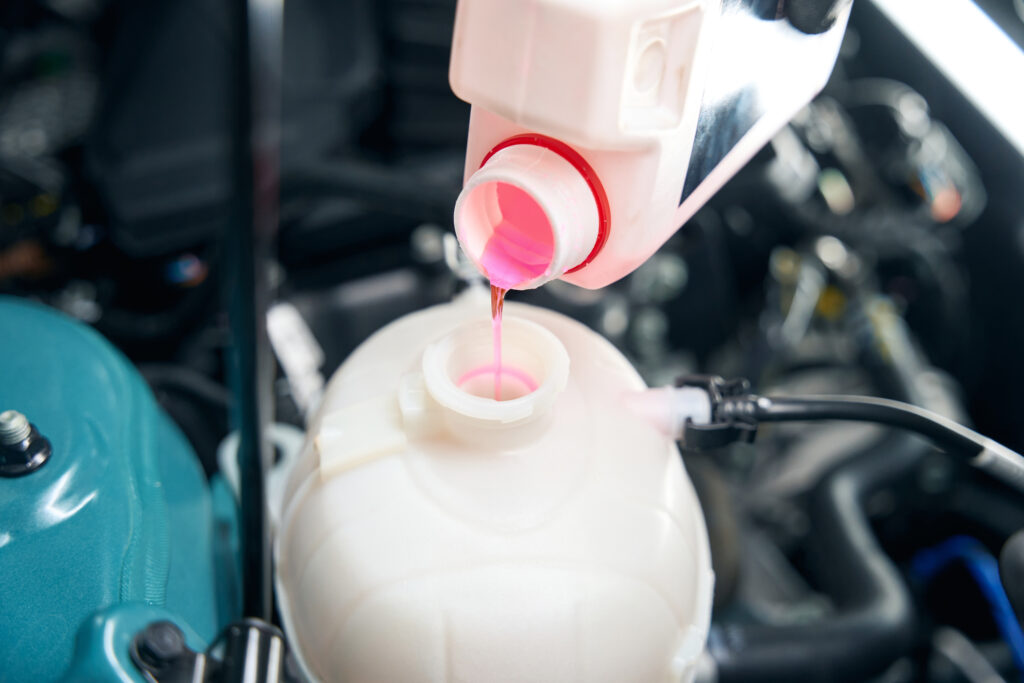
Maintaining proper coolant levels is one of the simplest ways to protect your cooling system. Low coolant can cause the engine to overheat and strain system components. Check coolant levels monthly and top off as needed, using the correct type of coolant recommended in your vehicle’s owner manual.
2. Flush the Cooling System on Schedule
Over time, coolant can become contaminated with rust, sediment, and other debris, reducing its effectiveness. Flushing the cooling system at manufacturer-recommended intervals removes old coolant and debris, helping prevent clogs and corrosion. Most vehicles benefit from a cooling system flush every 30,000 to 50,000 miles, but check your owner’s manual for exact intervals.
3. Inspect and Replace Hoses and Belts
Hoses and belts are critical to the circulation of coolant throughout your vehicle. Over time, hoses can crack, bulge, or leak, while belts can wear down or snap. Inspect these components regularly and replace them as needed to ensure proper coolant flow and avoid system failure.
4. Monitor and Replace the Thermostat
The thermostat regulates engine temperature by controlling coolant flow. A failing thermostat can prevent coolant from circulating properly, leading to overheating or poor engine performance. Replace the thermostat according to your vehicle’s maintenance schedule or at the first sign of malfunction.
5. Keep the Radiator Clean
The radiator relies on airflow to dissipate heat from the coolant. Dirt, leaves, or debris can obstruct airflow and reduce cooling efficiency. Regularly inspect and clean the radiator exterior and ensure nothing is blocking airflow through the front grille.
6. Use the Right Coolant
Different vehicles require different types of coolant. Using the wrong type can reduce system efficiency, cause corrosion, or damage components. Always use the coolant type recommended by your vehicle manufacturer and avoid mixing types unless specified.
7. Check for Leaks Regularly
Leaks are a common cause of cooling system failure. Inspect around the radiator, hoses, water pump, and connections for any signs of dripping or wet spots. Even a small leak can lead to significant overheating over time.
8. Pay Attention to Warning Lights and Gauges
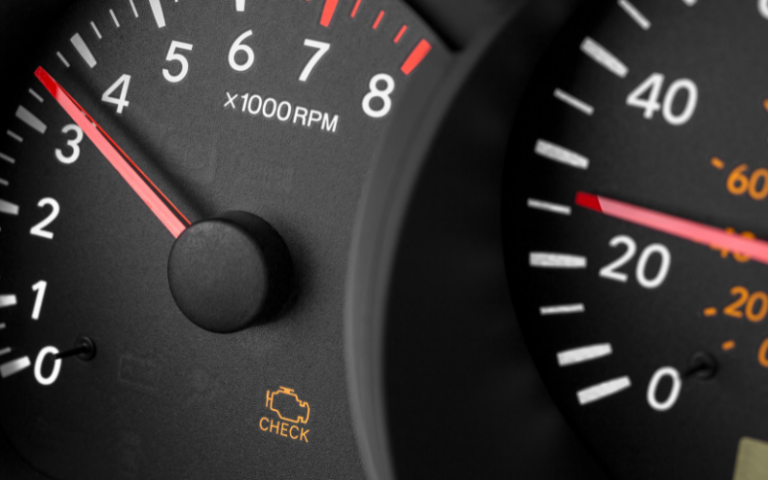
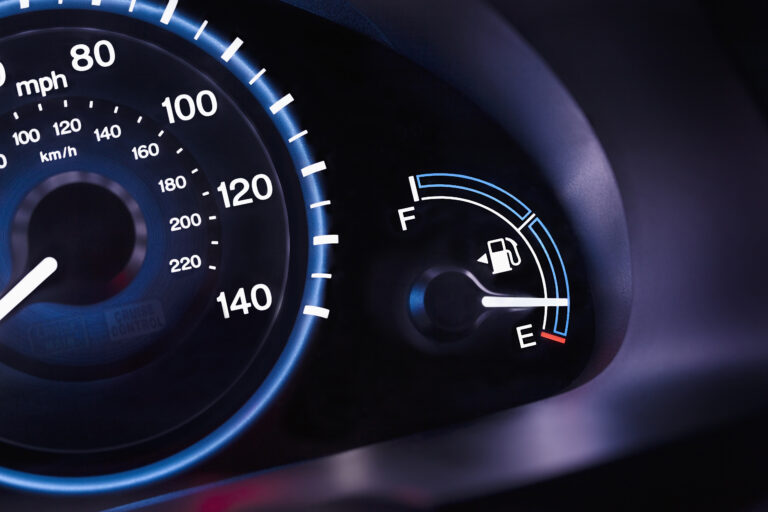
Modern vehicles come with warning lights and temperature gauges designed to alert drivers to potential cooling system issues. Never ignore the engine temperature gauge or warning lights—addressing problems early can prevent expensive repairs and extend system life.
9. Avoid Overloading Your Vehicle
Excessive weight can strain your engine and cooling system. Avoid carrying heavy loads more than necessary, especially in hot weather, as this can lead to overheating and stress system components.
10. Have Professional Inspections
Even with diligent care, components like the water pump, radiator, and thermostat wear over time. Having a professional mechanic inspect your cooling system during routine maintenance can catch small issues before they become major problems.
Seasonal Considerations for Minnesota Drivers
For drivers in Minnesota and similar climates, seasonal temperature changes can impact the cooling system. Winter can cause hoses to become brittle and fluids to thicken, while summer heat increases the risk of overheating. Following seasonal maintenance tips, such as checking coolant antifreeze levels before winter and inspecting the radiator during summer, can further extend the life of your vehicle’s cooling system.
Benefits of Extending Your Cooling System’s Life
Maintaining your cooling system offers several key benefits:
- Prevents Overheating – Reduces the risk of engine damage.
- Improves Engine Efficiency – Helps the engine run at optimal temperature.
- Reduces Repair Costs – Prevents major repairs caused by system failure.
- Prolongs Vehicle Lifespan – Supports overall longevity of the engine.
- Ensures Safety – Prevents unexpected breakdowns on the road.
By following the tips above, drivers can significantly extend the life of their vehicle’s cooling system, saving money and enhancing reliability.
Conclusion
Your vehicle’s cooling system is vital for engine health and overall vehicle performance. Knowing how to extend the life of your vehicle’s cooling system through regular inspections, proper coolant maintenance, flushing, and component checks is essential for avoiding costly repairs.
At Wayzata BP, our trained technicians can inspect and maintain your cooling system, ensuring it functions efficiently year-round. Schedule a service today to protect your vehicle, prevent overheating, and keep your engine running smoothly for years to come.
By following these strategies, you can extend the life of your vehicle’s cooling system.
Sources
Kimber Creek Ford – Essential Maintenance Tips for Your Car’s Cooling System
Complete Auto Service Ann Arbor – Prolong the Life of Your Auto Cooling System With Care
Glendale Kia – Essential Tips to Maintain Your Car’s Cooling System
Westar Tire – How a Well-Maintained Cooling System Can Extend Your Engine’s Life
Cougar Tire – Essential Tips on Maintaining Your Car’s Cooling System
Car Pros Kia Tacoma – How to Maintain the Cooling System of a Vehicle
MS Mazda – A Guide to Maintaining Your Car’s Cooling System
Diesel David – Understanding Your Vehicle’s Cooling System: Key to Prolonged Engine Life